
Gorgeous Plants and Wildlife To Explore in Italy
Italy has a way of surprising you once you get beyond the famous cities and postcard views. Sure, the landmarks are worth seeing, but what about the cypress-lined hills, the rare animals hidden in mountain parks, or the coastal wetlands filled with color and movement? Exploring gorgeous plants and wildlife in Italy gives your trip a different kind of depth. You’re not just moving from one well-known stop to the next. You’re seeing the country’s landscapes as living places, shaped by climate, geography, and species that have belonged there for centuries. That kind of experience adds a whole new layer to your time there.
Italian Cypress
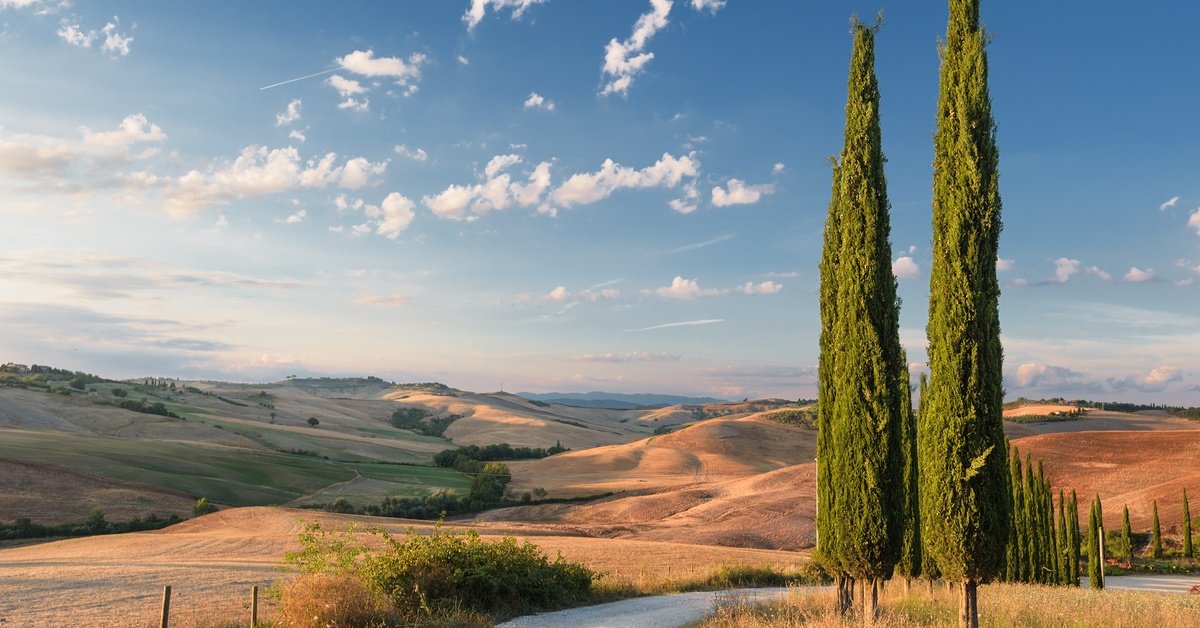
The Italian cypress, or Cupressus sempervirens, is one of the most recognizable trees in Italy. It has a tall, narrow shape with dense dark green foliage and grows in a straight vertical form that stands out across the landscape.
This evergreen species has been part of the Italian countryside for centuries, especially in Tuscany, Umbria, and parts of Lazio. You can spot rows of Italian cypress lining roads, marking property edges, and framing historic villas and estates. In rural hill towns and vineyard regions, these trees add structure and contrast to rolling fields, stone farmhouses, and open skies.
Apennine Wolf
The Apennine wolf, also called the Italian wolf, is a subspecies of gray wolf native to Italy. It has a lean build, long legs, thick fur, and coloring that ranges from gray-brown to tawny. This animal plays an important role in the ecosystem by helping control populations of deer, wild boar, and other prey species.
You can find the Apennine wolf in remote mountain and forest areas, especially in the Apennine range that runs through much of the country. National parks such as Abruzzo, Lazio and Molise offer some of the best-known habitats for this species. Seeing one in the wild is rare, but its presence tells you a lot about the health and balance of Italy’s natural landscapes.
Mediterranean Maquis
Mediterranean maquis is a dense shrubland ecosystem made up of evergreen plants that thrive in hot, dry conditions. It includes species such as myrtle, mastic, juniper, and strawberry tree, all of which grow close together and create a thick, fragrant landscape.
This type of vegetation is common in coastal parts of Italy, especially in Sardinia, Sicily, and sections of southern mainland regions. You can see Mediterranean maquis along seaside trails, nature reserves, and protected coastal parks where the terrain is rugged and less developed. Its strong scent, rich texture, and layered greenery give these areas a distinct character that feels very different from Italy’s vineyards, cities, and alpine scenery.
Marsican Brown Bear
The Marsican brown bear is a rare subspecies of brown bear found only in central Italy. It has a large, powerful frame, thick fur, and a broad head that gives it a distinct presence in the wild.
This bear lives mainly in the Abruzzo, Lazio and Molise National Park, where forested slopes, valleys, and quieter mountain zones provide the space it needs to survive. Its diet includes berries, roots, insects, and small animals, which makes it an omnivore with a varied feeding pattern. Seeing one in person is uncommon, but the species is one of the strongest examples of Italy’s protected wilderness and the country’s ongoing conservation work.
Mount Etna Broom
Mount Etna broom, or Genista aetnensis, is a flowering shrub native to volcanic areas of southern Italy. It produces bright yellow blooms and grows well in dry, rocky soil with intense sun exposure.
This plant is closely associated with the slopes of Mount Etna in Sicily, where it thrives in harsh conditions shaped by lava, ash, and wind. You can see it brightening dark volcanic landscapes in late spring and summer, when its color contrasts sharply with black ground and rugged terrain. Its ability to grow in an active volcanic environment makes it a striking part of Italy’s plant life and a strong example of how species adapt to extreme local conditions.
Alpine Ibex
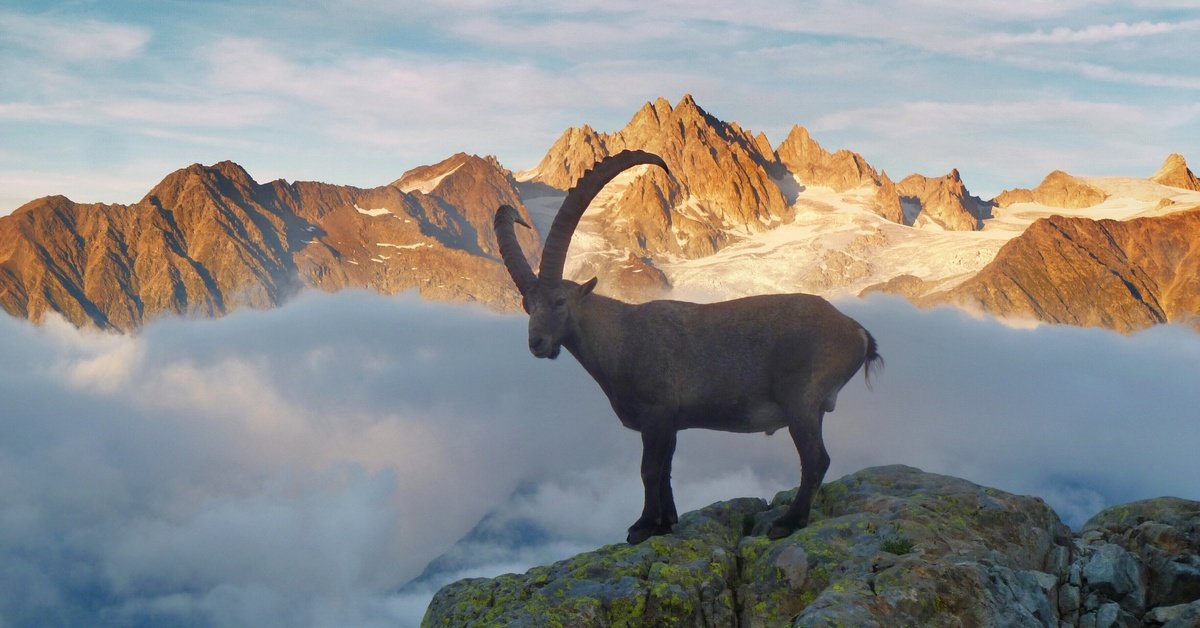
The Alpine ibex is a wild mountain goat known for its muscular build, thick coat, and large curved horns. Males have especially long horns that continue growing over time. Females are smaller and have shorter, thinner horns, but they share the same sure-footed movement and strong frame.
This species lives in the Italian Alps, where steep cliffs and rocky slopes offer protection from predators and space to move with ease. You can see Alpine ibex in regions such as Valle d’Aosta, Piedmont, and Trentino-Alto Adige, especially in national parks and protected alpine areas. Its balance, strength, and comfort on sharp mountain terrain make it one of the most impressive animals in Italy’s high-altitude landscapes.
Sicilian Fir
The Sicilian fir, or Abies nebrodensis, is one of Italy’s rarest native trees. It is a conifer with short needles, upright cones, and a narrow shape that suits steep mountain terrain.
This species grows in the Madonie Mountains of northern Sicily, where it survives in a very limited range at higher elevations. Its scarcity has made it an important focus of conservation efforts in Italy. You can find it in protected areas where the landscape shifts from dry Mediterranean scenery to cooler forest habitat. That contrast catches many travelers off guard, especially in Sicily, where most people expect coastal views and sunbaked hills rather than a rare mountain fir.
Flamingo
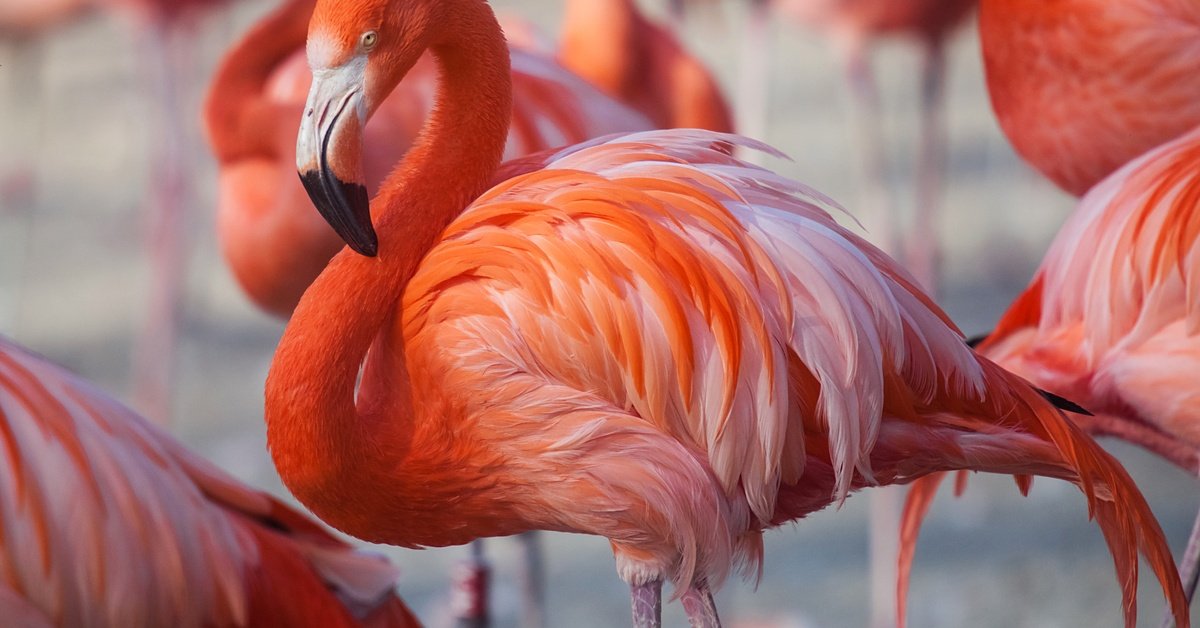
The flamingo is one of the most visually striking birds you can see in Italy. It has long legs, a curved bill, and pale pink plumage that becomes richer in tone as pigments build through its diet. Flamingos feed in shallow water, where they filter algae, small crustaceans, and other tiny organisms.
In Italy, they appear in wetlands, salt flats, and coastal lagoons, especially in Sardinia, Sicily, and parts of northern regions such as the Po Delta. You can also spot them in protected areas like the Stagnone Lagoon and Molentargius Natural Park. Large groups of flamingos bring vivid color and movement to these quiet coastal habitats.
See Italy in a More Personal Way
Some of the best parts of Italy come from looking a little closer. A rare tree on a Sicilian mountainside or a flamingo-filled lagoon can leave just as much of an impression as a famous square or museum. Getting out to explore gorgeous plants and wildlife in Italy can turn a great trip into one that feels personal and unforgettable.
Want to see all of the incredible plants and wildlife Italy has to offer firsthand? Let’s get you out there! Italy Luxury Tours offers a variety of tours, both pre-planned and customizable, in this remarkable country. Our Italy sightseeing tours take you to some of the country’s most famous monuments, as well as lesser-known spots where you can observe local wildlife like flamingos and Alpine ibex. Contact us today and let’s set up a package for you individually, or you and your group.
