
Italian Art Masterpieces Travelers Should Visit
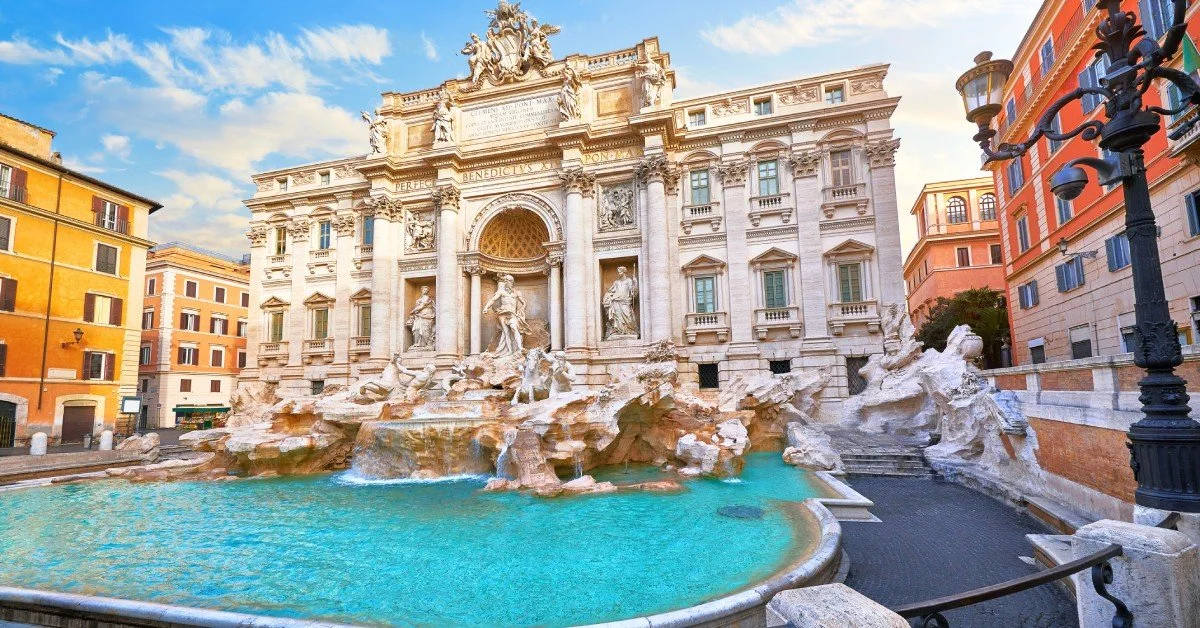
Standing before a canvas that has survived centuries of war, weather, and changing empires evokes a feeling unlike any other. You feel the weight of history in the brushstrokes and see the human condition reflected in marble carved by hands that turned to dust long ago. Italy does not merely house art; Italy is art. The peninsula serves as a living, breathing museum where the Renaissance found its footing and the Baroque era exploded in a riot of drama and motion. For the discerning traveler, a trip to Italy offers an opportunity to commune with the geniuses who defined Western culture.
Experiencing these works requires more than a checklist. You need to pause, breathe in the atmosphere, and let the sheer scale of human achievement wash over you. From the grandest cathedrals in Rome to the quietest chapels in Padua, the country offers a sensory feast that stays with you long after you return home. These are the Italian art masterpieces travelers should visit.
The Titans of Rome, Florence, and Venice
Your journey likely begins in the cities that serve as the holy trinity of Italian art. Rome, Florence, and Venice contain such a density of masterpieces that a lifetime would hardly suffice to appreciate them all.
Rome commands attention through sheer scale and drama. When you step into the Vatican Museums, the anticipation builds as you navigate the endless corridors. Yet, nothing prepares you for the moment you enter the Sistine Chapel. Michelangelo changed the course of art history on this ceiling. While the famous Creation of Adam draws the eye, the Last Judgment on the altar wall demands deeper contemplation. The swirling composition, the vibrant blues, and the terrifying grandeur of the scene display a master at the height of his powers.
Just a short distance away, inside St. Peter’s Basilica, resides a quieter, more poignant revolution. Michelangelo’s Pietà transforms cold Carrara marble into flesh and fabric. Mary’s sorrow feels palpable, yet her face remains serene. The way her fingers press into the dead Christ’s arm creates a textural reality that defies the medium. You forget you are looking at a stone.
Florence offers a different flavor, one of intellectual rigor and humanist beauty. The Uffizi Gallery holds the world’s greatest collection of Italian Renaissance works, but Botticelli’s The Birth of Venus stands apart. The painting rejects realism in favor of a poetic, dreamlike quality. Venus floats toward the shore, not as a mortal woman, but as a divine ideal.
At the Accademia Gallery, Michelangelo’s David towers over the crowd. Photographs fail to capture the tension in the figure’s hands or the intense focus in his eyes. He is not a static statue but a coiled spring, caught in the moment before the fight. Viewing him in person reveals the intricate network of veins on his arm and the terrifying intelligence of his gaze.
Then, the floating city of Venice awaits. Venetian art mirrors the city itself. In the Basilica di Santa Maria Gloriosa dei Frari, Titian’s Assumption of the Virgin draws your gaze upward. The vibrant reds and golds glow as if lit from within, anticipating the Baroque era’s drama. Unlike the precise drawing of the Florentines, the Venetians built their world with color, creating an emotional resonance that matches the shimmering lagoon outside.

Whispers From the Hidden Gems
While the major cities hold the headliners, Italy’s smaller towns guard secrets that rival the most famous collections. Stepping off the main tourist track allows you to view masterpieces in solitude, creating a more intimate connection with the art.
Padua, often overshadowed by its neighbor Venice, houses one of the most important cycles of frescoes in Western art. Giotto covered the interior of the Scrovegni Chapel in a brilliant, star-studded blue. He painted these scenes in the early 14th century, breaking away from stylized Byzantine traditions to show real human emotion. You see grief, joy, and betrayal on the faces of his figures. The intimacy of the small chapel amplifies the emotional impact, enveloping you in the narrative.
In the heart of Naples, the Sansevero Chapel contains a sculpture that defies logic. The Veiled Christ by Giuseppe Sanmartino depicts a life-sized figure covered by a transparent shroud carved entirely from the same block of marble. The fabric looks so soft, so light, that you expect a breeze to lift it. Legend once held that the sculptor used alchemy to turn cloth into stone, and seeing the work makes the myth seem plausible.
Ravenna offers a departure from paint and marble. This quiet city near the Adriatic coast preserves the finest Byzantine mosaics in the world. The Basilica of San Vitale glitters with emeralds, golds, and deep blues. These tesserae do not merely depict an image; they reflect the divine light of heaven. Standing in the center of the octagonal basilica, surrounded by shimmering saints and emperors, feels like stepping inside a jewel box.
Crafting the Ultimate Art Experience
Navigating Italy’s artistic landscape requires strategy. The sheer volume of visitors in peak season can turn a spiritual moment into a shuffling queue. To truly appreciate these works, you must prioritize quality over quantity.
Timing dictates the quality of your visit. Early mornings or late afternoons often provide a calmer atmosphere. Many museums now offer evening openings during the summer, allowing you to wander the galleries when the frenetic energy of the day subsides. Seeing the Vatican Museums at night, for instance, changes the character of the space entirely, replacing the roar of the crowd with a hushed reverence.
Context matters as much as the view. Standing before a painting without understanding the history, the symbolism, or the artist’s life limits the experience. While guidebooks provide basics, they cannot answer your questions or point out the subtle details that reveal the work’s true genius.
The Value of Expertise
Navigating the logistics of tickets, entry times, and route planning often distracts you from the beauty you came to see. This distraction is where professional planning transforms a trip. High-end Italy sightseeing tours remove the friction from the experience. Instead of worrying about reservation slots, you simply walk through the doors.
A private guide acts as your bridge to the past. A professional guide weaves the disparate threads of history into a cohesive narrative. Imagine standing in the Borghese Gallery in Rome while an expert explains exactly how Bernini made the marble leaves of Apollo and Daphne look translucent in the sunlight. They tailor the information to your interests, whether you love the technical aspects of casting bronze or the scandalous personal lives of the artists.
Luxury tours often provide access that general admission does not. You might find yourself in the Vasari Corridor in Florence, walking above the crowds on the Ponte Vecchio, or enjoying a private viewing of a palace that remains closed to the public. These moments convert a standard vacation into a personal dialogue with history.

A Lasting Impression
Art serves as a mirror to the culture that created it. To know Italian art is to understand the Italian soul—its passion, its respect, its innovation, and its reverence for beauty. Whether you find yourself moved to tears by the tragedy of the Pietà or exhilarated by the colors of a Venetian altarpiece, these Italian art masterpieces are worth the visit. They connect you to the shared heritage of humanity.
Italy invites you to look closer. It asks you to slow down and observe the way light hits a gilded frame or how a sculptor captured the texture of velvet in stone. By seeking out these masterpieces, from the famous giants to the hidden treasures, you engage in a centuries-old tradition of finding inspiration in the beautiful. Pack your curiosity and leave room in your imagination; the galleries, churches, and palazzos of Italy await your arrival.
