
Abruzzo and Molise Travel Guide: Mountains, Medieval Villages and the Adriatic Coast
Italy's most famous destinations need little introduction. From the rolling vineyards of Tuscany to the dramatic cliffs of the Amalfi Coast, certain regions have long captured the imaginations of travelers. Yet beyond these familiar landscapes lies another side of Italy, where medieval villages overlook sweeping mountain valleys, centuries-old traditions remain part of daily life, and the Adriatic coastline offers a quieter alternative to the country's celebrated seaside resorts.
Welcome to Abruzzo and Molise, two neighboring regions in central and southern Italy that reward travelers willing to venture beyond the usual tourist routes.
Here, the journey is as memorable as the destination. Winding mountain roads lead to ancient stone villages, family-run restaurants serve recipes passed down through generations, and historic towns preserve a remarkable connection to Italy's past.
For travelers seeking authentic Italian culture, spectacular scenery, and a more personal travel experience, Abruzzo and Molise offer an opportunity to discover Italy at a different pace.
Why Visit Abruzzo and Molise?
Situated between the Apennine Mountains and the Adriatic Sea, Abruzzo and Molise share a landscape defined by rugged peaks, forested valleys, historic settlements, and scenic stretches of coastline.
Although neighboring regions, each possesses a distinct character.
Abruzzo is particularly celebrated for its dramatic mountain scenery, protected national parks, medieval hilltop towns, and beautiful Adriatic beaches. It is an ideal destination for travelers who appreciate nature, history, and traditional Italian village life.
Molise, one of Italy's least internationally explored regions, offers an even quieter experience. Its ancient archaeological sites, artisan workshops, pastoral landscapes, and intimate coastal towns appeal to travelers interested in discovering local traditions away from major tourist centers.
Together, these regions offer an appealing combination of natural beauty, cultural heritage, and genuine Italian hospitality.
Exploring Abruzzo: Mountains, Castles and Medieval Villages
Gran Sasso: The Dramatic Heart of the Apennines
Among Abruzzo's most remarkable attractions is Gran Sasso e Monti della Laga National Park, home to some of the most impressive mountain landscapes in Italy.
The towering Gran Sasso massif includes Corno Grande, the highest peak in the Apennines, rising to approximately 9,554 feet (2,912 meters).
One of the region's most memorable experiences is a scenic drive through Campo Imperatore, an expansive high-altitude plateau surrounded by rugged mountain peaks. Its seemingly endless grasslands and dramatic horizons create a landscape unlike anything most visitors expect to find in central Italy.
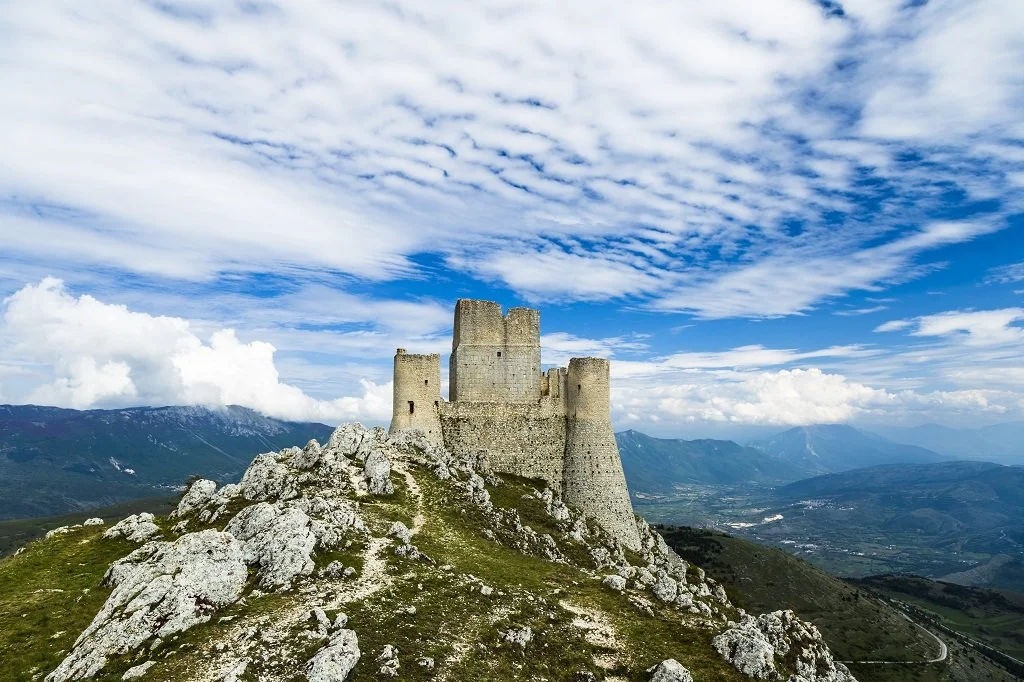
Nearby, the medieval fortress of Rocca Calascio stands high above the surrounding valleys. Its weathered stone towers and extraordinary panoramic views have made it one of Abruzzo's most recognizable landmarks.
A visit can be combined with stops in neighboring mountain villages, allowing travelers to explore the area's history without committing to a strenuous mountain hike. The final approach to the fortress, however, involves walking uphill over uneven ground.
Santo Stefano di Sessanio, Scanno and Sulmona
Abruzzo's medieval villages are among its greatest treasures, offering an intimate glimpse into centuries of Italian history.
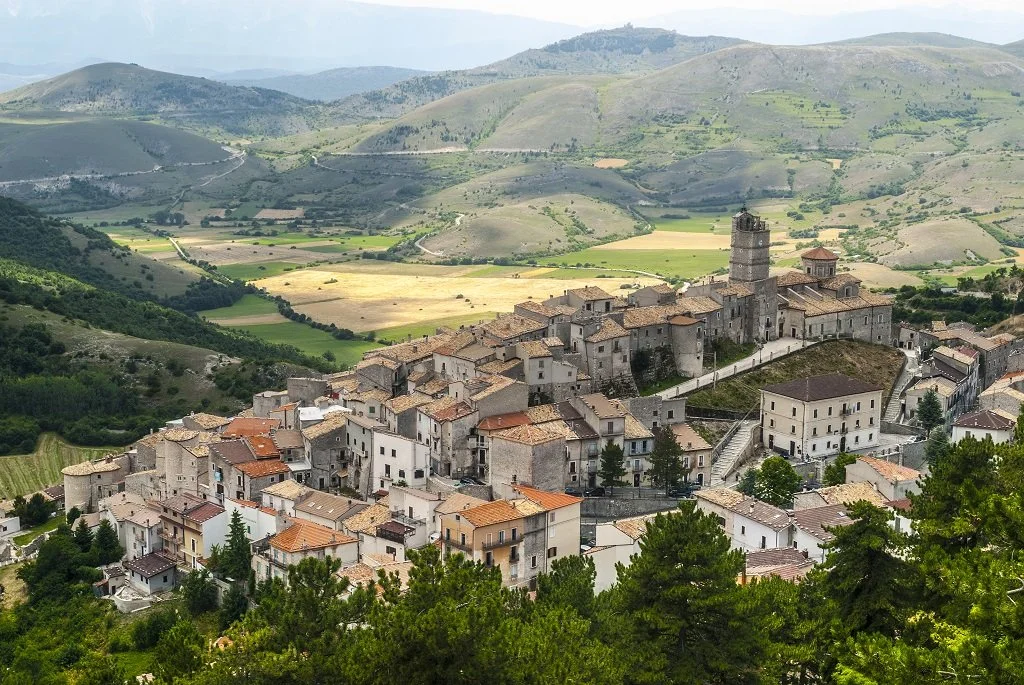
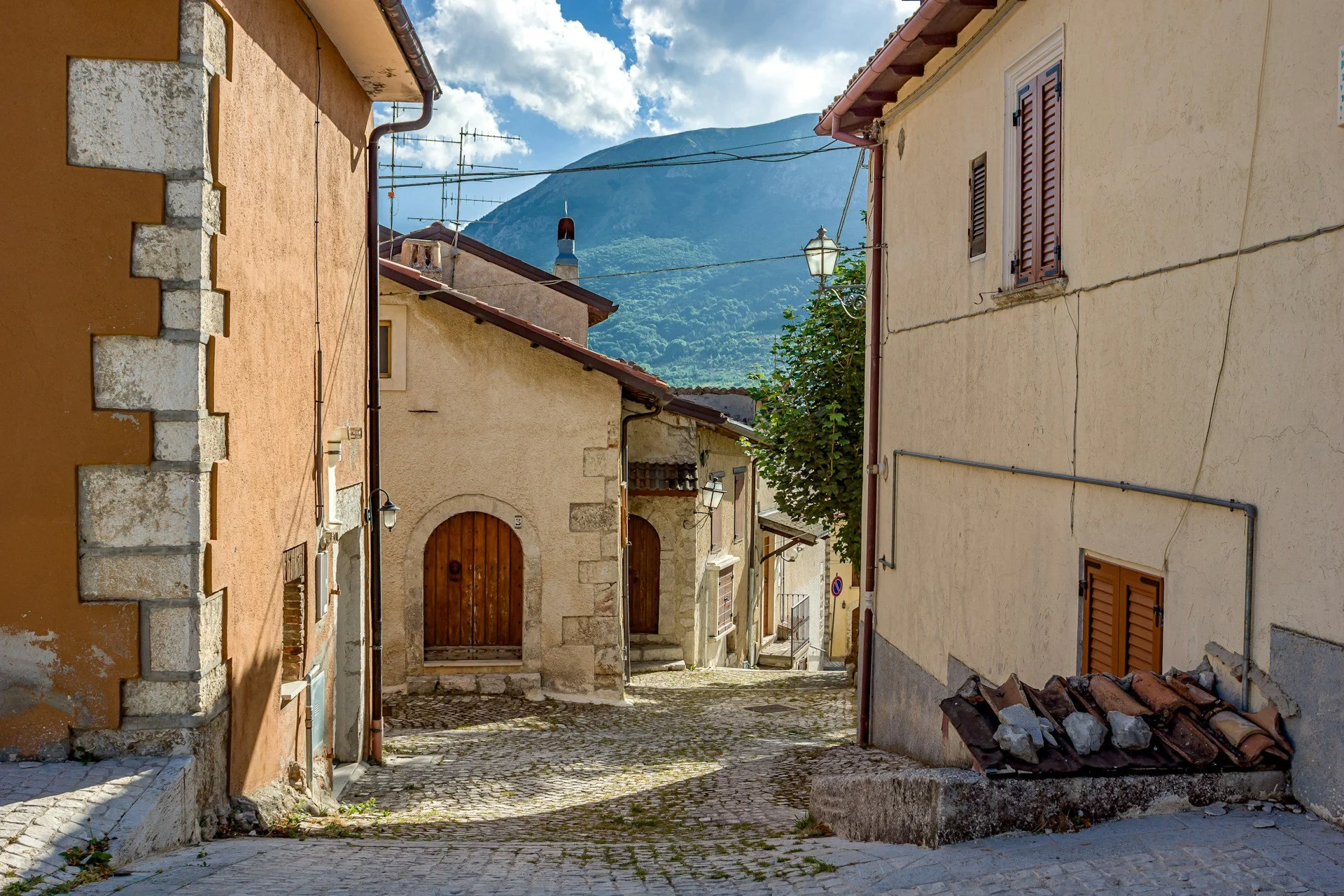
Santo Stefano di Sessanio, nestled within the Gran Sasso National Park, is a beautifully preserved stone village characterized by narrow cobblestone lanes, arched passageways, and historic buildings. Its carefully restored architecture and traditional accommodations make it particularly appealing to travelers seeking an atmospheric countryside retreat.
Further south, Scanno is renowned for its picturesque historic center and nearby mountain lake. Lake Scanno, famous for its heart-shaped appearance when viewed from certain elevated viewpoints, is surrounded by wooded hills that become especially beautiful during autumn.
Another worthwhile destination is Sulmona, an elegant historic town known for its medieval aqueduct, lively piazzas, and traditional confetti—colorful sugar-coated almonds often arranged into decorative flowers.
These destinations invite travelers to slow down, explore local shops, enjoy leisurely lunches, and appreciate the architectural details that make Italy's smaller communities so distinctive.
Discovering Abruzzo's National Parks
Nature lovers will find extraordinary opportunities throughout Abruzzo.
Majella National Park is particularly notable for its forested valleys, mountain scenery, wildlife habitats, and historic hermitages tucked into rocky landscapes.
Meanwhile, the National Park of Abruzzo, Lazio and Molise protects extensive mountain and woodland environments, providing opportunities for guided nature walks, scenic excursions, and wildlife observation.
Not every visit requires demanding physical activity. Comfortable scenic drives, short walks, and thoughtfully selected viewpoints allow travelers to appreciate the region's beauty at their preferred pace.
Discovering Molise: Ancient History and Timeless Traditions
While Abruzzo has begun attracting greater international attention, neighboring Molise remains largely overlooked by visitors to Italy.
For travelers interested in heritage, craftsmanship, and local culture, this relative obscurity is part of its appeal.
Agnone: A Town of Traditional Craftsmanship
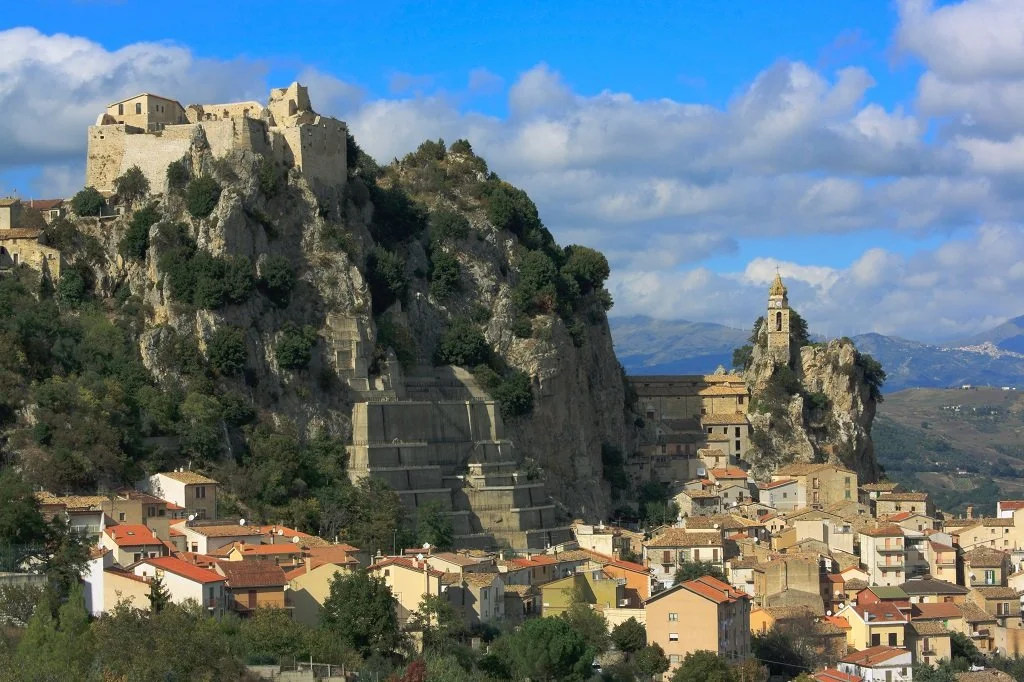
Perched in the mountains of northern Molise, Agnone is a historic town renowned for its centuries-old tradition of bell making.
The town is home to the Pontifical Marinelli Bell Foundry, one of the world's oldest surviving bell-making businesses, where traditional craftsmanship continues today.
A visit to Agnone offers opportunities to discover this remarkable heritage while exploring its historic churches, artisan workshops, and charming streets.
The surrounding countryside is equally inviting, with rolling hills, pastoral landscapes, and small communities that retain a strong connection to regional customs.
For travelers who appreciate authentic cultural experiences, an artisan-focused visit can become one of the most memorable moments of a journey through Molise.
Pietrabbondante and Sepino: Discovering Italy's Ancient Past
Molise's history extends far beyond the medieval period.
At Pietrabbondante, visitors can explore the archaeological remains of an important sanctuary built by the Samnites, an ancient Italic people who inhabited this mountainous region before Roman domination.
The complex includes a remarkably preserved stone theater and temple remains, dramatically positioned against the surrounding hills.
Another fascinating destination is Saepinum, near the modern town of Sepino.
This ancient Roman settlement preserves traces of its city walls, monumental gateways, theater, and public buildings, offering an evocative perspective on everyday life during the Roman era.
Unlike Italy's most heavily visited archaeological attractions, these sites often provide a more contemplative experience, allowing visitors time to appreciate the ruins and their historical significance.
The Adriatic Coast: Fishing Villages, Beaches and Seaside Charm
Although both regions are strongly associated with their mountainous interiors, Abruzzo and Molise also possess beautiful stretches of Adriatic coastline.
For travelers who enjoy combining cultural sightseeing with seaside relaxation, this geographical diversity is especially appealing.
Abruzzo's Costa dei Trabocchi
One of Abruzzo's most distinctive coastal attractions is the Costa dei Trabocchi, a scenic stretch of shoreline between Ortona and Vasto.
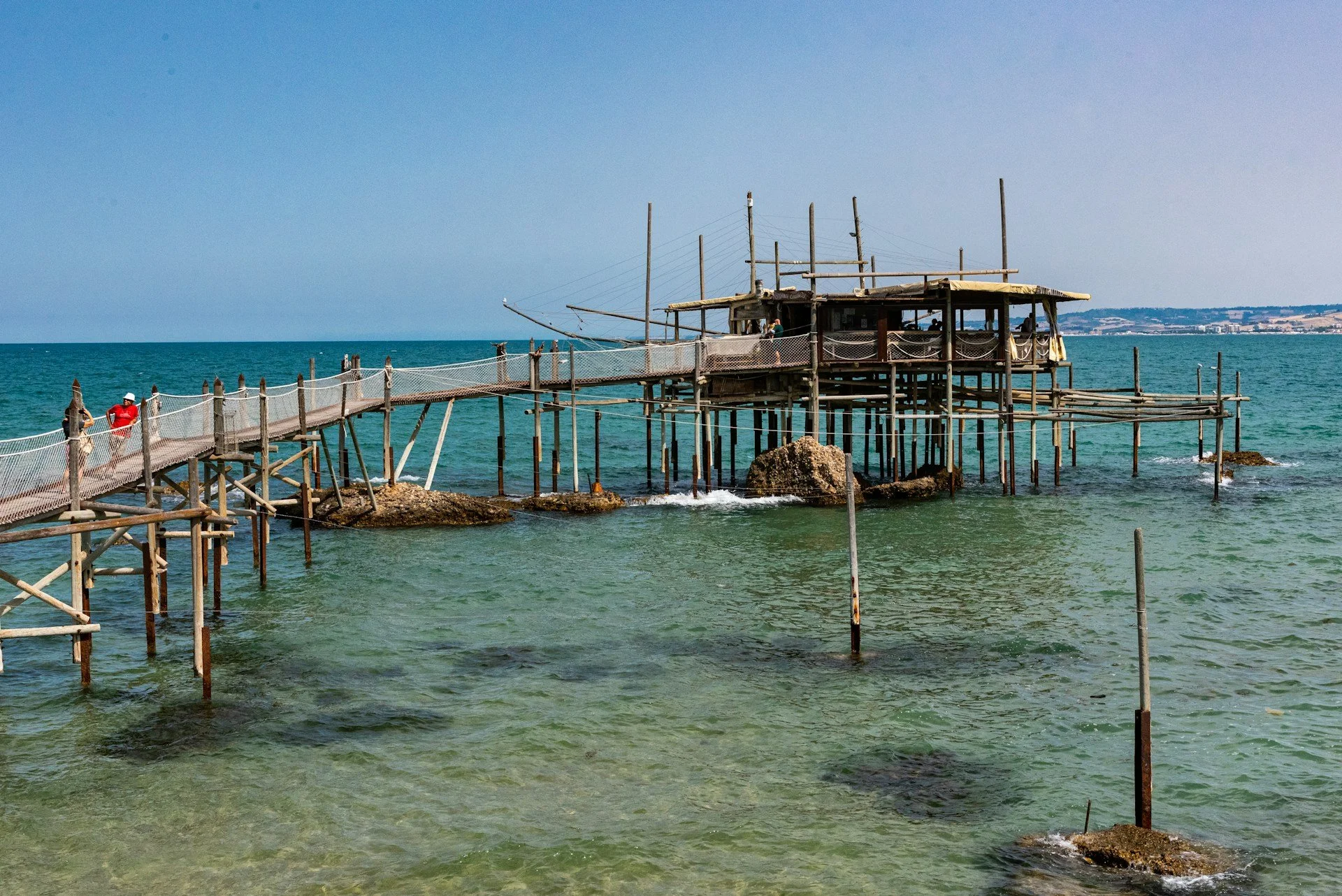
The coast takes its name from the trabocchi, traditional wooden fishing platforms extending over the water on elaborate networks of beams and supports.
Originally used by local fishing families, some of these remarkable structures have been carefully restored and transformed into intimate seafood restaurants.
Dining on a trabocco, surrounded by the Adriatic Sea, offers an unforgettable setting for enjoying freshly prepared regional cuisine.
The nearby coastal towns of San Vito Chietino, Fossacesia, and Vasto are also worth exploring, with panoramic viewpoints, historic architecture, and inviting seaside promenades.
Travelers seeking a quieter coastal experience may particularly enjoy the natural beauty surrounding the Punta Aderci Nature Reserve near Vasto.
Termoli: Molise's Seaside Treasure
Further south, Termoli is one of Molise's most attractive coastal towns.
Its historic center, known as the Borgo Vecchio, occupies a picturesque promontory overlooking the Adriatic. Narrow streets wind past colorful buildings, traditional restaurants, and centuries-old landmarks.
Among the town's highlights are the imposing Swabian Castle and the Romanesque Cathedral of Santa Maria della Purificazione.
Termoli also offers sandy beaches and an inviting waterfront, making it an excellent destination for a relaxed afternoon or an overnight coastal stay.
For visitors seeking a balance between cultural exploration and seaside leisure, Termoli provides a particularly appealing introduction to Molise's Adriatic character.
Food and Wine in Abruzzo and Molise: A Taste of Traditional Italy
One of the greatest pleasures of visiting these regions is discovering their distinctive culinary traditions.
Abruzzo's cuisine reflects its mountainous heritage, with rustic dishes emphasizing locally raised meats, cheeses, handmade pasta, and seasonal ingredients.
Among the best-known specialties are arrosticini, small skewers of grilled sheep meat traditionally cooked over charcoal.
Other regional favorites include hearty pasta dishes, mountain cheeses, and saffron cultivated around L'Aquila.
Wine enthusiasts will also appreciate Montepulciano d'Abruzzo, the region's celebrated red wine, alongside refreshing whites such as Trebbiano d'Abruzzo.
Molise offers its own culinary identity, shaped by agricultural traditions and the nearby Adriatic Sea.
Local specialties include handmade cavatelli pasta, aged caciocavallo cheese, regional cured meats, and traditional seafood dishes such as Termoli's fish stew.
The region also produces Tintilia del Molise, a distinctive red wine that provides an excellent introduction to its lesser-known winemaking heritage.
For travelers interested in food and wine, visits to family-run vineyards, artisan producers, and traditional trattorias can offer meaningful encounters with the people preserving these culinary traditions.
Planning Your Trip to Abruzzo and Molise
What Is the Best Time to Visit Abruzzo and Molise?
The best time to visit depends on the experiences you wish to prioritize.
Spring (April–June) brings green landscapes, comfortable sightseeing temperatures, and beautiful conditions for exploring villages and countryside. Higher mountain areas can remain cold or snow-covered during part of this period.
Summer (July–August) is ideal for enjoying the Adriatic beaches and mountain retreats, although coastal towns are busier and inland sightseeing can be hot.
Autumn (September–October) is especially attractive for travelers interested in food, wine, scenic drives, and changing foliage. September also offers pleasant coastal conditions, while higher mountain temperatures begin dropping later in the season.
Winter brings opportunities for skiing and enjoying atmospheric mountain villages, although some rural attractions, accommodations, and mountain roads may have limited access.
For a balanced combination of cultural sightseeing, comfortable temperatures, and fewer crowds, late spring and early autumn are particularly rewarding.
How Many Days Do You Need in Abruzzo and Molise?
While a short visit can introduce travelers to a few highlights, seven to ten days allows for a more satisfying exploration of both regions.
An itinerary might begin with Abruzzo's mountain villages and Gran Sasso landscapes before continuing south toward Sulmona and Scanno.
From there, travelers could explore Molise's historic communities, archaeological sites, and artisan traditions before concluding with time along the Adriatic coast.
A longer stay provides greater flexibility for culinary experiences, scenic detours, and unhurried afternoons in smaller towns.
What Is the Best Way to Explore These Regions?
Although major coastal destinations are accessible by train, many of Abruzzo and Molise's most rewarding attractions lie in remote mountain villages and rural areas where public transportation is limited.
A private driver or customized guided itinerary can make exploring considerably easier, particularly for travelers unfamiliar with the region's winding roads and mountainous terrain.
Private travel also allows for a more comfortable pace, with the flexibility to adapt walking distances, incorporate spontaneous stops, and dedicate additional time to experiences that genuinely interest you.
Experience a Different Side of Italy with Italy Luxury Tours
Abruzzo and Molise reveal a side of Italy that is often missed on traditional itineraries—one defined by striking natural landscapes, centuries-old traditions, welcoming communities, and exceptional regional cuisine.
Whether your interests lie in medieval villages, ancient archaeological sites, artisan craftsmanship, fine dining, or scenic countryside exploration, these neighboring regions offer a wealth of experiences waiting to be discovered.
At Italy Luxury Tours, we specialize in creating personalized private journeys that reflect your interests, preferences, and ideal travel pace. Our Abruzzo, Molise Towns & Villages tour and Abruzzo and Molise travel experiences offer inspiration for discovering these remarkable destinations.
Let us help you explore Italy beyond the familiar, with a thoughtfully designed journey through Abruzzo and Molise that is uniquely your own.