
Tuscany vs. Umbria: Which Italian Countryside Experience Is Right for Your Trip?
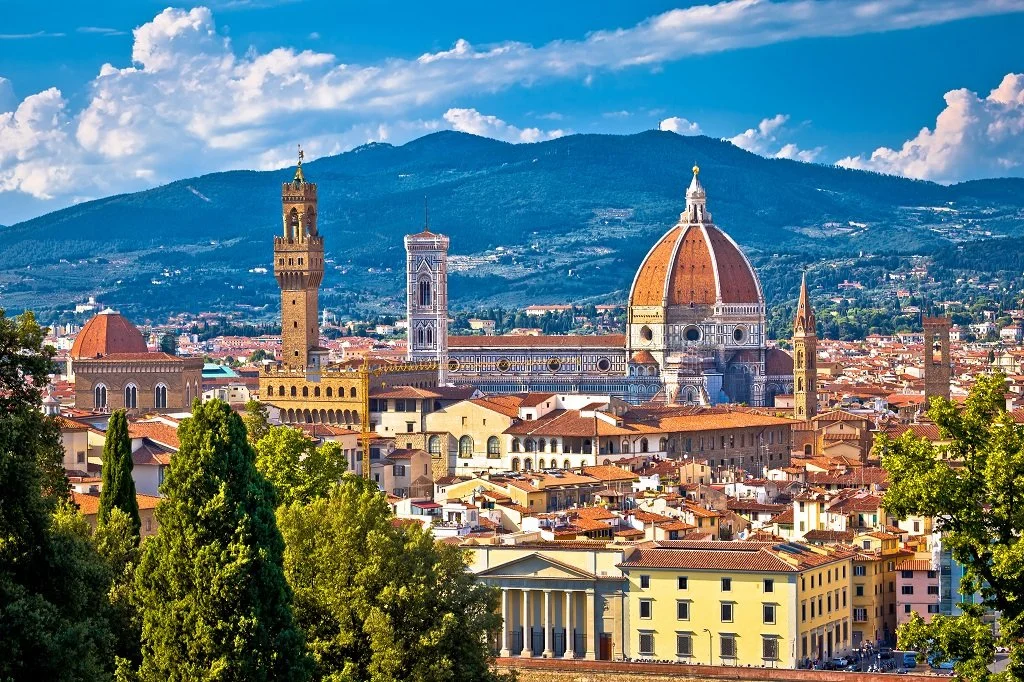
Rolling hills, medieval villages, vineyard-covered landscapes and long lunches overlooking the countryside: for many travelers, this is the Italy they have imagined for years.
Two regions capture that vision particularly well. Tuscany is one of the most recognizable destinations in Italy, celebrated for its Renaissance cities, famous wine country and postcard-perfect landscapes. Neighboring Umbria offers many of the same pleasures—historic hill towns, excellent food and wine, beautiful countryside—but with a quieter, more understated character.
So when planning an Italian countryside vacation, should you choose Tuscany or Umbria?
Tuscany is the natural choice for travelers drawn to iconic landscapes, celebrated wine regions, Renaissance art and famous hill towns. Umbria offers many of the same pleasures—beautiful countryside, medieval villages, excellent food and wine—but often with a quieter, more intimate atmosphere.
For travelers planning a luxury Italy vacation, choosing between Tuscany and Umbria is therefore less about which region is “better” and more about the kind of trip you want to experience.
Tuscany vs. Umbria at a Glance
Tuscany is one of Italy's best-known destinations, home to Florence, Siena, Chianti, the Val d'Orcia and famous wine towns including Montalcino and Montepulciano. Its landscapes of vineyards, olive groves, cypress-lined roads and hilltop villages have become almost synonymous with the Italian countryside. The Val d'Orcia, in particular, is protected as a UNESCO cultural landscape and encompasses places such as Pienza, Montalcino and San Quirico d'Orcia.
Umbria sits immediately to Tuscany's east. Often called Italy's “Green Heart,” it is characterized by wooded hills, valleys, vineyards and beautifully preserved towns including Assisi, Spello, Orvieto, Gubbio and Spoleto. Food, wine, medieval history and outdoor landscapes are central to the experience, while cities and villages tend to feel somewhat removed from Italy's most heavily traveled tourist circuit.
Both regions reward slow travel. The difference is largely one of atmosphere.
Choose Tuscany for Italy's Most Iconic Countryside
For many first-time visitors to Italy, Tuscany fulfills an image they have carried with them for years.
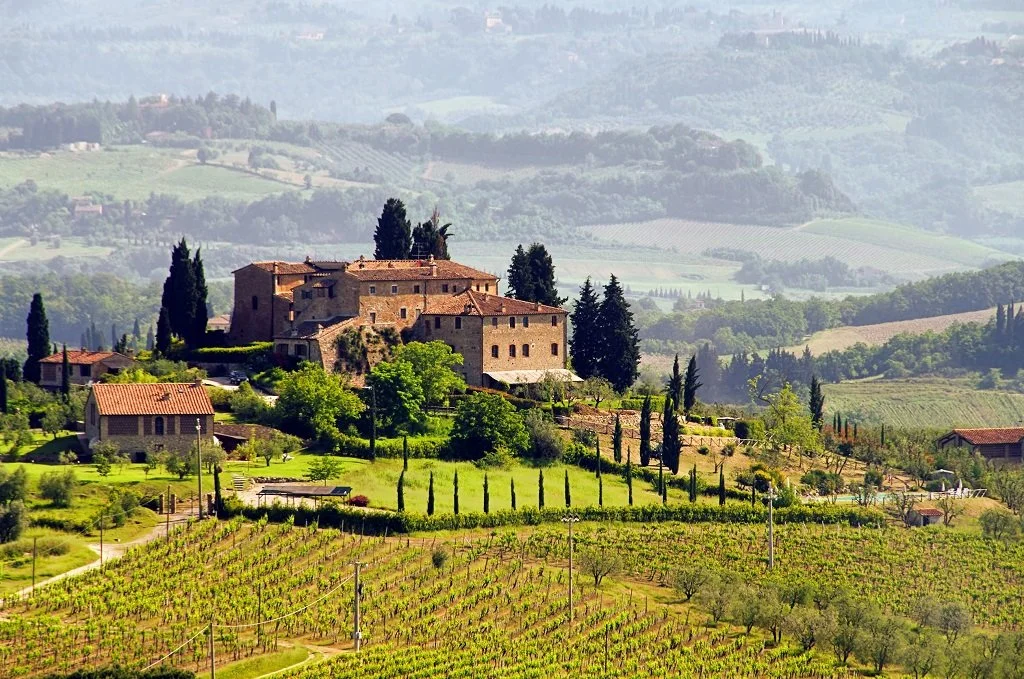
The landscapes around Siena and the Val d'Orcia are instantly recognizable: golden fields, winding roads, stone farmhouses, vineyards and slender cypress trees extending across gently rolling hills.
Tuscany also combines countryside travel remarkably well with some of Italy's greatest cultural destinations.
Florence Adds World-Class Art and History
A Tuscany itinerary can begin or end in Florence, making it particularly attractive to travelers who want countryside relaxation without sacrificing major museums, architecture and Renaissance history.
The Uffizi Gallery, Accademia, Ponte Vecchio, Piazza della Signoria and Florence Cathedral can occupy several days before you leave the city behind for vineyards and hill towns.
That combination of city and countryside makes a Florence and Tuscany private tour especially suitable for first-time visitors who want to experience several different sides of Italy within one region.
Tuscany Is Exceptional for Wine Lovers
Wine is another major reason to choose Tuscany.
Chianti stretches through the hills between Florence and Siena and has been associated with wine production for centuries. Farther south, Montalcino is synonymous with Brunello di Montalcino, while Montepulciano is known for Vino Nobile di Montepulciano.
A private itinerary allows travelers to move beyond busy tasting rooms and large group excursions. Visits can instead be arranged around smaller estates, private tastings, leisurely winery lunches and conversations with producers.
Italy Luxury Tours' Tuscany Classic Tour, for example, combines Florence with destinations such as Siena, San Gimignano, Pienza, Montalcino and Montepulciano, including food and wine experiences along the way.
Tuscany Works Well for a First Trip to Rural Italy
If you have dreamed about Tuscany specifically, there is little reason to talk yourself out of it simply because the region is famous.
The key is how you travel.
A thoughtfully designed private tour can balance recognizable highlights with smaller villages, quieter wineries and countryside hotels. Visiting Siena does not mean spending every hour among crowds, just as exploring Chianti does not require following the same winery circuit as everyone else.
For travelers who want the classic Italian countryside experience—with Renaissance cities and internationally renowned wine added to the equation—Tuscany remains difficult to replace.
Choose Umbria for a Quieter, More Intimate Italy
Umbria shares many of Tuscany's defining qualities, but the experience often feels different.
The landscapes are greener and more wooded in many areas. Medieval towns rise dramatically from hillsides. Vineyards and olive groves remain part of the scenery, but so do forests and the Apennine foothills.
Most importantly, Umbria encourages travelers to slow down.
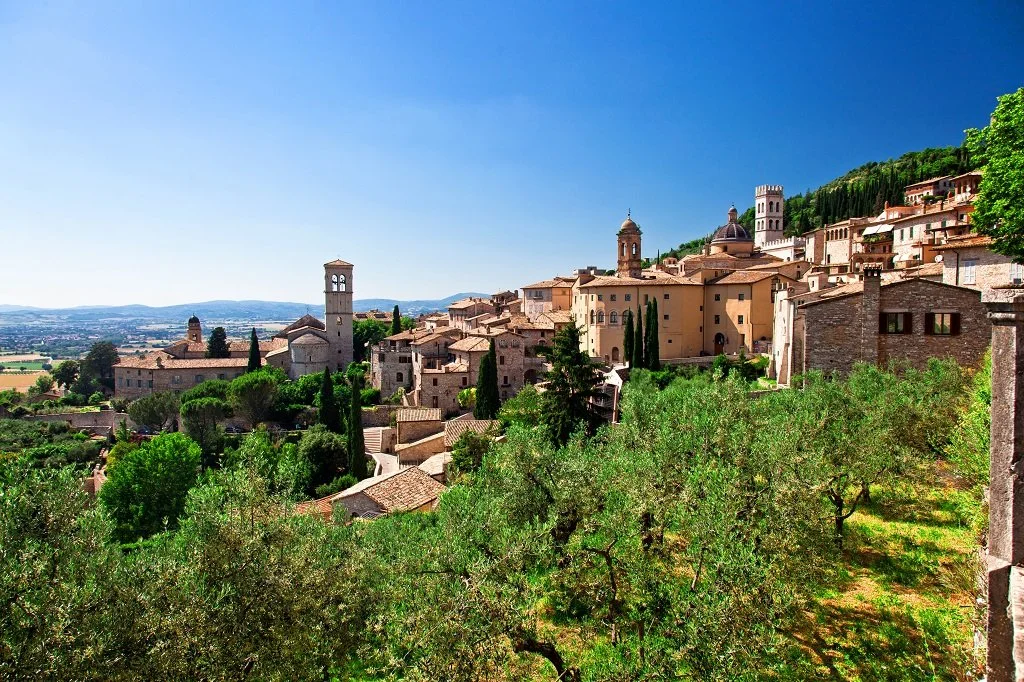
Umbria's Hill Towns Feel Deeply Connected to Local Life
Assisi is the region's most internationally recognized destination, best known for its connection to St. Francis and its extraordinary basilica. Beyond its religious significance, the city contains Roman, medieval and Renaissance heritage and overlooks the Umbrian countryside from the slopes of Mount Subasio.
But Assisi is only the beginning.
Orvieto sits spectacularly atop volcanic rock. Spello is known for its stone lanes and position on Mount Subasio. Gubbio preserves a distinctly medieval character, while Spoleto combines historic architecture with a dramatic setting near the Apennines.
Smaller towns such as Bevagna can be incorporated between them, allowing an itinerary to unfold through places many North American visitors may know little about before arriving.
Italy Luxury Tours' Umbria Discovery Tour includes destinations such as Orvieto, Spoleto, Norcia, Bevagna, Spello, Perugia, Assisi and Gubbio, reflecting how varied the region can be despite its relatively compact size.
Food in Umbria Is Rustic, Seasonal and Deeply Regional
Travelers who organize trips around food may find Umbria particularly rewarding.
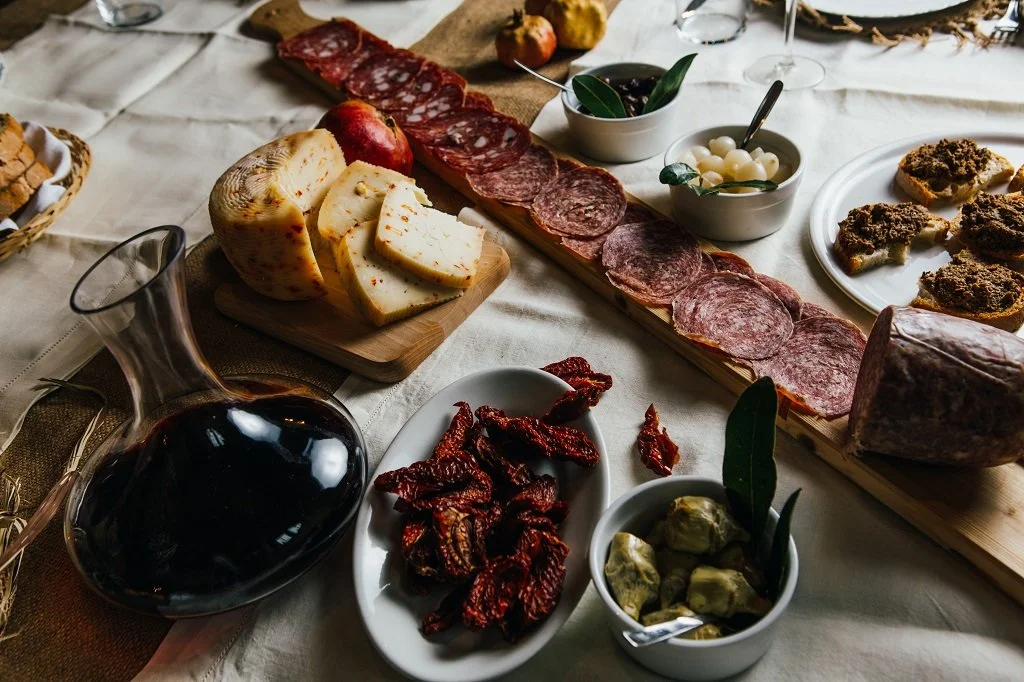
Truffles are one of the region's best-known ingredients, especially around Norcia and the surrounding countryside. Olive oil, cured meats, handmade pasta and local cheeses feature prominently as well.
Umbria also has a strong wine tradition. Areas around Montefalco and Torgiano provide an excellent alternative for travelers who enjoy visiting vineyards but have already experienced—or simply want something different from—the famous wine routes of Tuscany.
Private truffle hunts, olive oil tastings, visits with local producers and long countryside lunches can easily become some of the most memorable moments of an Umbrian itinerary.
Which Is Better for Avoiding Crowds: Tuscany or Umbria?
Travelers hoping for a quieter countryside experience will generally find Umbria easier to explore away from large concentrations of international visitors.
That does not mean Tuscany should be avoided.
Tuscany is a large and varied region, and many visitors concentrate around a relatively small collection of destinations. With private transportation and careful scheduling, it is possible to visit famous places while also exploring villages and rural areas that see considerably less traffic.
Umbria simply makes that style of travel feel more effortless.
Outside major destinations such as Assisi, it is easier to construct days around small towns, local restaurants and countryside experiences without constantly intersecting with the traditional first-time Italy itinerary.
For travelers returning to Italy after already seeing Florence, Rome, Venice or Tuscany's best-known destinations, that can make Umbria particularly appealing.
Tuscany or Umbria for Food and Wine?
There is no wrong answer here, but the experiences are different.
Choose Tuscany if wine is one of the central reasons for your trip. Chianti Classico, Brunello di Montalcino and Vino Nobile di Montepulciano provide an extraordinary concentration of internationally recognized wine experiences.
Choose Umbria if food traditions and smaller-scale discoveries appeal just as much as wine. Truffles, olive oil, cured meats and local wines lend themselves beautifully to intimate culinary experiences.
Travelers who are deeply interested in Italian gastronomy may find that combining the two regions creates an even richer journey.
How Many Days Do You Need in Tuscany or Umbria?
For either region, rushing defeats much of the purpose.
A minimum of four or five nights gives you time to establish a countryside base and explore nearby towns without changing hotels constantly. Six or seven nights allows for a much more relaxed itinerary, particularly if winery visits, cooking experiences or unhurried lunches are priorities.
Tuscany can easily fill a week or more, especially when Florence is included.
Umbria can also justify a full week, although its geography makes it particularly well suited to travelers who prefer fewer hotel changes and carefully planned day trips.
Private transportation is valuable in both regions. Many of the most rewarding wineries, country estates and villages are not conveniently connected by rail, and having a private driver removes the need to navigate unfamiliar roads or worry about driving after wine tastings.
Can You Visit Tuscany and Umbria on the Same Trip?
Absolutely—and for travelers with approximately ten days or more available for central Italy, combining them can be one of the most rewarding approaches.
The regions border one another, making it possible to transition naturally from the Tuscan countryside into Umbria rather than treating them as completely separate journeys.
A trip might begin among the vineyards and Renaissance landscapes of Tuscany, visiting places such as Montalcino, Pienza, Siena and Chianti before continuing east toward Orvieto, Assisi, Spello or Perugia.
The result is an itinerary that evolves as you travel.
Tuscany provides the recognizable landscapes and celebrated destinations many visitors have imagined for years. Umbria then reveals a quieter side of central Italy—one defined by medieval villages, forests, local traditions and discoveries that may not have been on your original wish list.
Italy Luxury Tours offers itineraries specifically combining Tuscany and Umbria, alongside dedicated Tuscany and Umbria tours, making it possible to use either region as the focus or incorporate both into a longer private journey.
When Is the Best Time to Visit Tuscany and Umbria?
Spring and fall are particularly appealing for countryside travel in both regions.
April through June brings greener landscapes and comfortable conditions for exploring towns and vineyards. September and October are excellent for travelers interested in harvest season, food and wine, with autumn bringing its own character to the countryside.
Summer offers long days and lively towns, although the most famous Tuscan destinations can be busier and temperatures can be considerably warmer.
For travelers with flexibility, the shoulder seasons often provide the best balance between pleasant weather, seasonal experiences and a relaxed pace.
Tuscany vs. Umbria: Which One Is Right for You?
Choose Tuscany if this is your first journey into the Italian countryside and you have always dreamed of Florence, Siena, vineyard-covered hills, Renaissance art and legendary wine country.
Choose Umbria if you are most excited by medieval towns, regional food, truffles, peaceful landscapes and discovering places that feel somewhat removed from Italy's classic tourist route.
And choose both Tuscany and Umbria if you have the time to travel slowly and want to experience two complementary sides of central Italy.
The most memorable journey does not necessarily come from fitting the greatest number of destinations into your itinerary. It comes from choosing the right places, experiences and pace for the way you want to travel.
At Italy Luxury Tours, we specialize in designing private, customized journeys throughout Italy around each traveler's interests and preferred pace. Whether you envision private wine tastings in Tuscany, truffle hunting and medieval villages in Umbria, or a seamless journey combining both regions, your itinerary can be tailored to create a more personal way of experiencing the Italian countryside.