
Italy’s Etruscan Heartland: Ancient Towns Between Tuscany, Umbria and Lazio
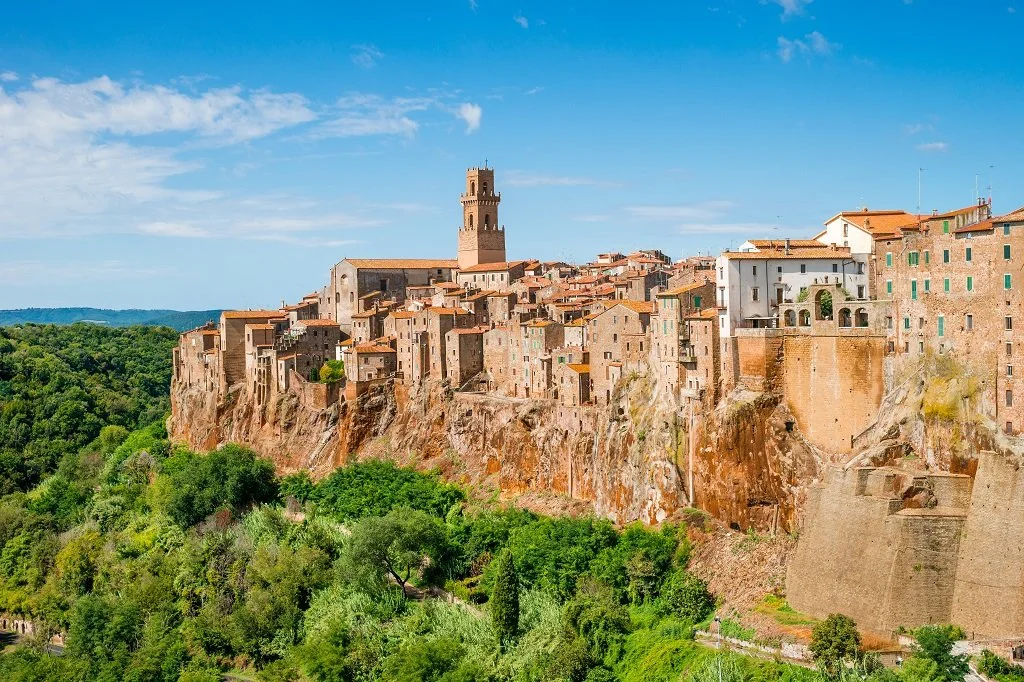
Long before the Roman Empire rose to prominence, an extraordinary civilization flourished among the rolling hills and volcanic landscapes of central Italy. The Etruscans left behind remarkable cities, elaborate burial chambers, and artistic treasures that continue to fascinate historians and travelers thousands of years later.
Today, the heart of ancient Etruria stretches across parts of Tuscany, Umbria, and Lazio, where medieval hilltop towns stand above archaeological remains and quiet country roads wind between vineyards, olive groves, and centuries-old villages.
For travelers seeking a more intimate encounter with Italian history, this region offers the opportunity to explore a world that predates Rome, often without the crowds found at Italy’s more celebrated landmarks.
From the underground passages of Orvieto to the painted tombs of Tarquinia, discovering Italy's Etruscan heartland is a journey through remarkable history, beautiful countryside, and some of the country's most atmospheric lesser-known destinations.
Where Is Italy's Etruscan Heartland?
The Etruscans were among the most influential civilizations of ancient Italy, reaching their cultural and political prominence centuries before Roman domination of the peninsula.
Their homeland, known as Etruria, was centered largely in present-day Tuscany, western Umbria, and northern Lazio. From approximately the eighth century BCE, Etruscan cities developed into prosperous centers of trade, craftsmanship, religion, and political influence.
Renowned for their metalworking, painted ceramics, elaborate tombs, and sophisticated engineering, the Etruscans also helped shape aspects of early Roman culture.
Unlike the Romans, however, they left relatively few surviving written accounts. Much of what we know comes from archaeological discoveries, particularly the remarkable burial sites scattered throughout central Italy.
These ancient places are not confined to museums. Many exist alongside modern villages, making an Etruscan itinerary an opportunity to experience several layers of Italian history in a single journey.
The Best Etruscan Towns and Archaeological Sites to Visit
Orvieto, Umbria: An Ancient City Above and Below Ground
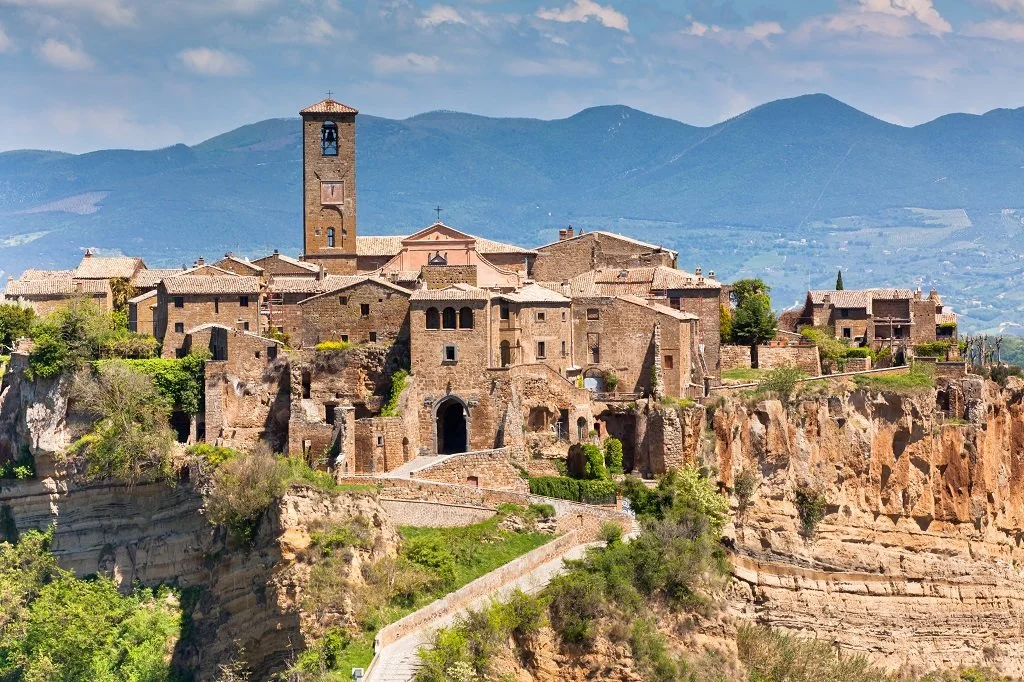
Perched dramatically atop a volcanic plateau, Orvieto is among Umbria's most captivating destinations. Although celebrated for its magnificent Gothic cathedral and medieval streets, the city's history reaches much further into the past.
Known to the Etruscans as Velzna, Orvieto was an important center of their civilization.
Beneath the modern streets lies an extensive network of ancient tunnels, wells, and chambers carved into the volcanic rock. Exploring sections of Orvieto Underground reveals how the Etruscans developed ingenious systems for collecting and accessing water.
Just outside the historic center, the Necropolis of Crocifisso del Tufo offers another extraordinary discovery. Its carefully arranged stone tombs resemble a miniature city, complete with streets and inscriptions identifying the families once buried there.
For a deeper understanding of local archaeology, the Claudio Faina Museum and the National Archaeological Museum preserve impressive collections of Etruscan artifacts.
Allow yourself time for a leisurely lunch in Orvieto's historic center. Pair local Umbrian specialties with a glass of Orvieto Classico before exploring the city's quieter backstreets.
Chiusi, Tuscany: Etruscan Treasures and Underground Mysteries
In the southern Tuscan countryside, not far from the celebrated wine towns of Montepulciano and Montalcino, Chiusi offers one of the region's richest concentrations of Etruscan heritage.
Once a powerful Etruscan city, Chiusi is particularly associated with the legendary King Porsenna, whose supposed underground tomb inspired stories for centuries.
Today, visitors can explore the Labyrinth of Porsenna, an ancient network of underground passages that actually formed part of an Etruscan water system.
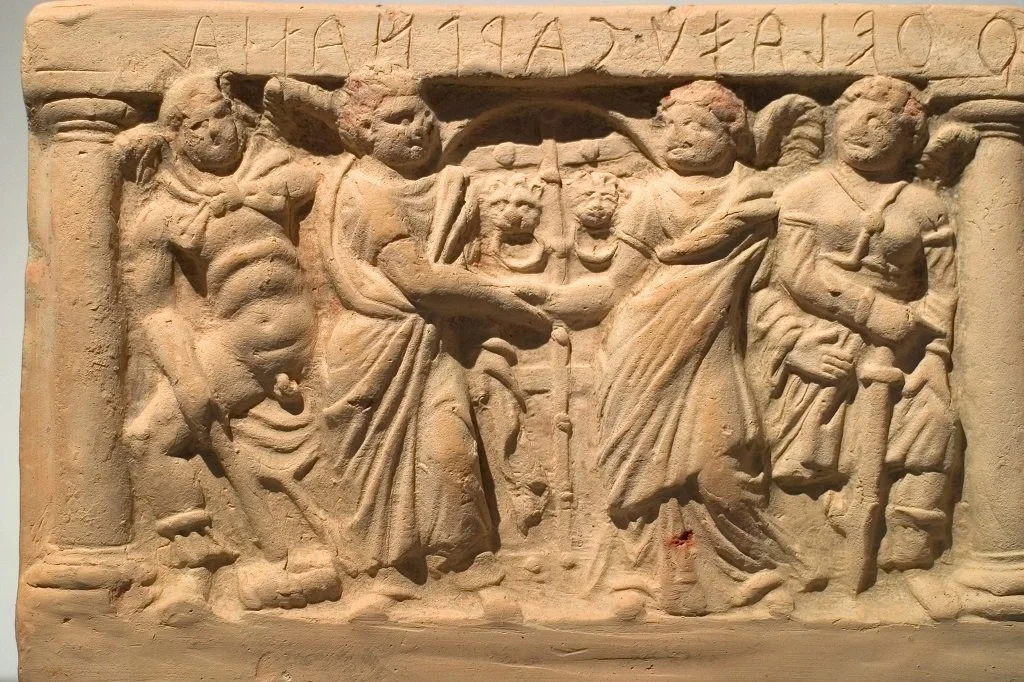
The National Etruscan Museum displays beautifully decorated funerary urns, ceramics, jewelry, and sculptures recovered from surrounding archaeological sites.
Several remarkable tombs also lie beyond the town, including the Tomb of the Monkey, celebrated for its surviving painted decorations.
Chiusi is an excellent addition to a private Tuscany itinerary, particularly for travelers interested in combining archaeology with countryside accommodations and exceptional regional food and wine.
Pitigliano and Sovana, Tuscany: Villages Carved from Volcanic Stone
Few places capture the atmosphere of ancient Etruria quite like the southern Tuscan villages of Pitigliano and Sovana.
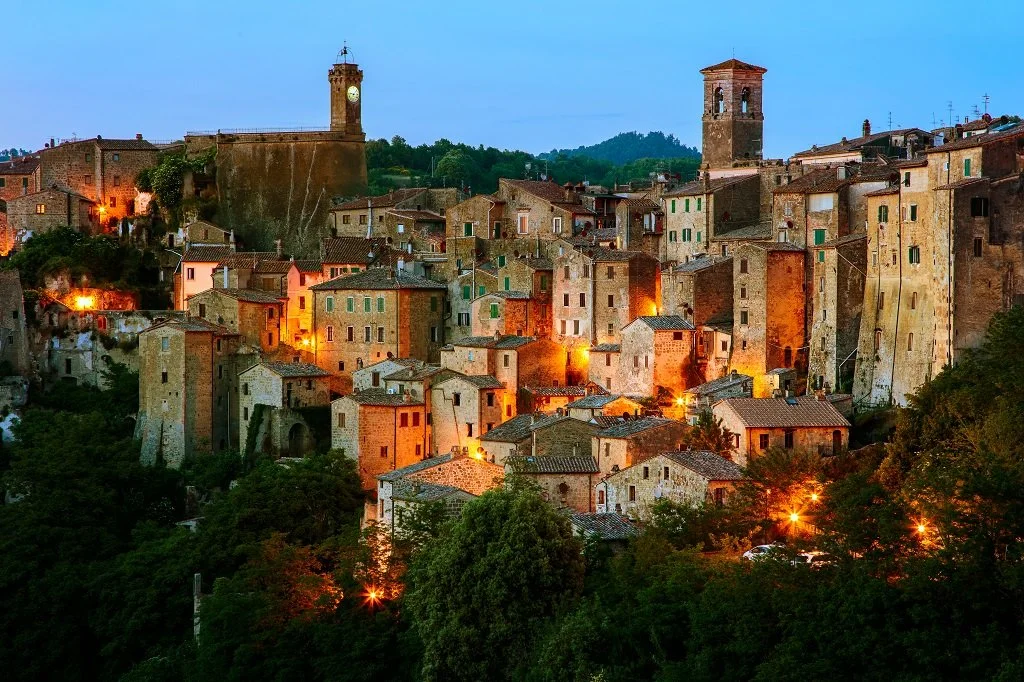
Pitigliano rises spectacularly from a towering outcrop of golden volcanic rock, its tightly clustered buildings appearing almost inseparable from the cliffs beneath them.
Although much of its visible architecture dates from the medieval and Renaissance periods, the surrounding landscape preserves something far older: the mysterious Vie Cave.
These remarkable passageways were carved deep into the soft volcanic stone by the Etruscans. Some feature towering rock walls, creating atmospheric corridors through the countryside.
Their original purposes remain debated, although they likely served as routes connecting settlements, burial grounds, and other important locations.
Nearby Sovana offers a quieter experience, with a beautifully preserved medieval village and an outstanding archaeological park.
The Città del Tufo Archaeological Park contains impressive Etruscan burial monuments, including the monumental Ildebranda Tomb, whose design reflects influences from ancient Greek temple architecture.
It is recommended to explore the villages in the morning, then enjoy a countryside lunch at a traditional trattoria. A knowledgeable local guide can help distinguish the area's Etruscan remains from its later medieval history.
Vulci and Tuscania, Lazio: Archaeology Beyond the Crowds
Crossing into northern Lazio reveals another fascinating side of Etruscan Italy, where archaeological treasures lie amid a landscape of rural estates, rivers, and ancient villages.
Vulci was once one of the most powerful Etruscan city-states, enriched by commerce and connections with the wider Mediterranean world.
Today, the Vulci Archaeological and Nature Park allows visitors to explore ancient city remains, temples, and burial grounds within an expansive natural setting.
The surrounding landscape, including the Fiora River and the striking medieval bridge near Castello della Badia, makes this particularly appealing for travelers who enjoy combining history with scenic walks.
Nearby Tuscania is another rewarding stop. Its historic center, Etruscan funerary monuments, and National Archaeological Museum offer fascinating insights into the region's past.
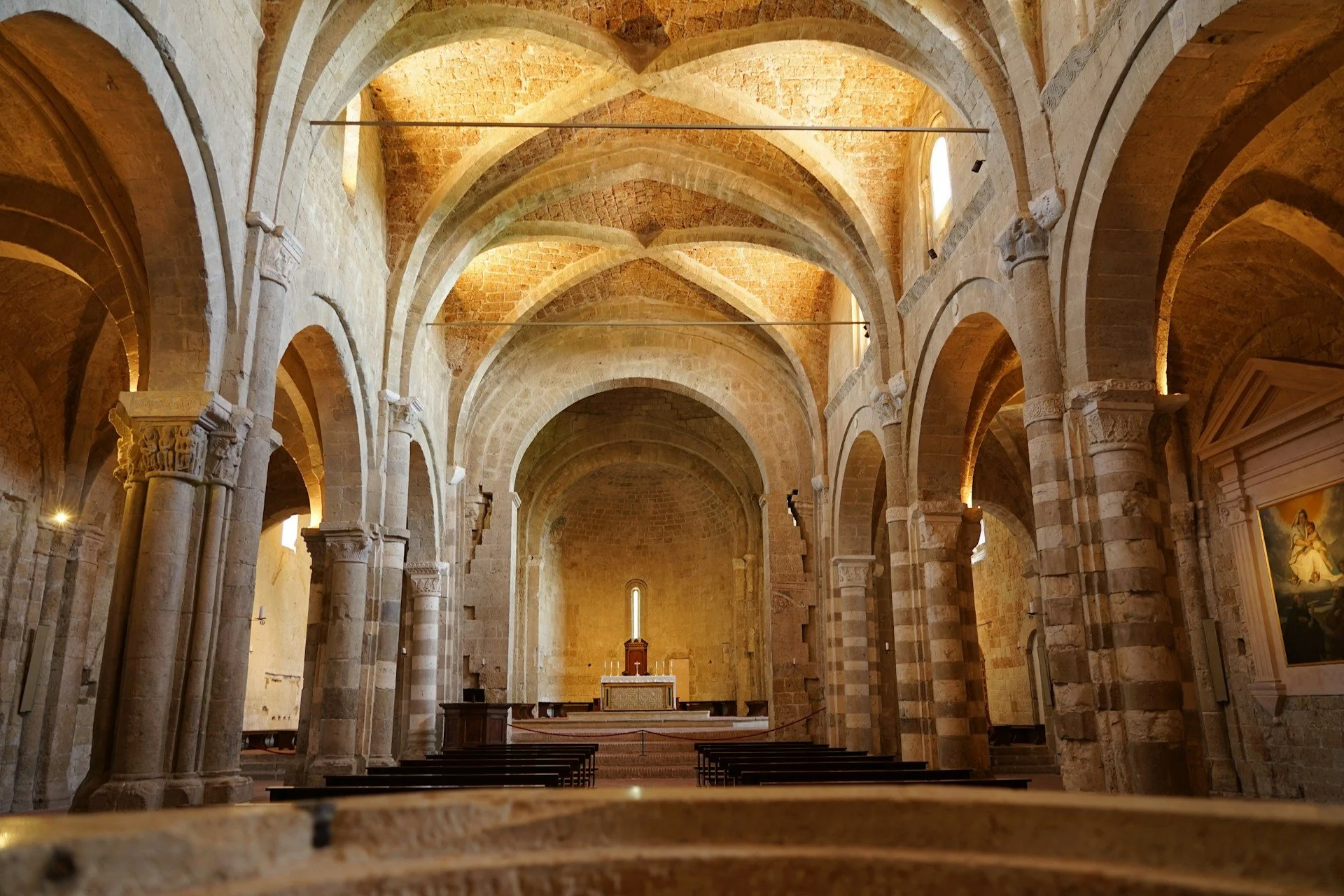
Tuscania's magnificent Romanesque churches, particularly San Pietro and Santa Maria Maggiore, also demonstrate how successive civilizations shaped these ancient settlements.
For travelers interested in lesser-known Lazio destinations, these towns offer a compelling alternative to the more heavily visited sites around Rome.
Tarquinia, Lazio: The Painted Tombs of the Etruscans
Tarquinia is one of the most important destinations for understanding Etruscan art and beliefs about the afterlife.
Its extraordinary Monterozzi Necropolis, together with the necropolis at Cerveteri, was designated a UNESCO World Heritage Site in 2004.
What makes Tarquinia exceptional is the remarkable collection of painted burial chambers.
These underground tombs preserve colorful scenes depicting banquets, dancers, musicians, animals, and ceremonial activities, providing an unusually vivid glimpse into the ancient Etruscan world.
Rather than concentrating exclusively on death, many paintings celebrate the pleasures, traditions, and social rituals associated with life.
The National Archaeological Museum of Tarquinia, housed in the historic Palazzo Vitelleschi, complements the necropolis with an extensive collection of sculptures, ceramics, and archaeological discoveries.
Visiting with an expert guide adds valuable context, helping travelers understand the symbolism and stories preserved within these extraordinary works of ancient art.
Cerveteri, Lazio: Walking Through an Ancient City of the Dead
Northwest of Rome, Cerveteri provides another unforgettable introduction to Etruscan civilization.
The UNESCO-listed Banditaccia Necropolis is particularly remarkable for its layout, which resembles a carefully planned settlement.
Ancient tombs are arranged along pathways and divided into distinct burial areas, with some carved to imitate the interiors of Etruscan houses.
Stepping inside these chambers reveals stone beds, architectural details, and arrangements that offer clues about domestic life in an otherwise vanished civilization.
For travelers beginning or ending their Italian journey in Rome, Cerveteri provides a fascinating opportunity to explore pre-Roman history beyond the capital.
Beyond Archaeology: Food, Wine and the Landscapes of Ancient Etruria
One of the great pleasures of exploring the Etruscan heartland is that the journey extends far beyond ancient ruins.
The countryside between Tuscany, Umbria, and Lazio is rich in vineyards, olive groves, small farms, and traditional restaurants where regional cooking remains central to everyday life.
In southern Tuscany, travelers can sample handmade pici pasta, locally produced pecorino cheese, and dishes featuring wild boar, paired with wines such as Morellino di Scansano or Bianco di Pitigliano.
Around Orvieto, Umbrian olive oils, seasonal truffles, and crisp local white wines provide equally memorable culinary experiences.
This landscape also rewards those who appreciate a slower pace of travel. A morning spent exploring archaeological sites might be followed by a privately arranged winery tasting, a leisurely farmhouse lunch, or an afternoon enjoying the countryside from a beautifully restored rural estate.
For wine enthusiasts, Etruscan history and modern wine culture create an especially appealing combination, linking one of Italy's oldest cultural landscapes with its contemporary culinary traditions.
Planning a Private Journey Through Etruscan Italy
How Many Days Do You Need?
Although individual Etruscan towns can be visited on day trips, five to seven days provides a more satisfying introduction to the heartland.
A thoughtfully designed itinerary could begin near Rome with Cerveteri and Tarquinia before continuing north through Vulci, Pitigliano, and Sovana.
From there, travelers might spend time in Orvieto and Chiusi, with additional opportunities to explore southern Tuscany's vineyards and countryside villages.
Those with more time can extend the journey toward Cortona or Volterra, two other Tuscan destinations with significant Etruscan heritage.
When Is the Best Time to Visit?
Spring and autumn are particularly pleasant seasons for exploring central Italy's archaeological sites.
April through June generally brings comfortable temperatures, green countryside, and excellent conditions for sightseeing.
September and October are equally appealing, with grape harvest activity, seasonal food traditions, and softer autumn light illuminating the hilltop villages.
Summer visits are certainly possible, although exposed archaeological areas can become hot during the middle of the day. Early morning visits and relaxed afternoons are especially worthwhile during warmer months.
Why Travel With a Private Driver and Local Guide?
While some major towns are accessible by train, many of the most rewarding archaeological locations lie outside established public transportation routes.
A private driver makes it easier to connect smaller villages, countryside accommodations, and archaeological sites without the complications of navigating unfamiliar rural roads.
Expert local guides can also transform a visit, explaining the historical significance of ancient monuments and helping visitors appreciate details that might otherwise go unnoticed.
Some tombs and underground sites have restricted access or require advance reservations, so planning ahead is important. Comfortable walking shoes are recommended, as ancient passageways, steps, and village streets can be uneven.
Frequently Asked Questions About Visiting Etruscan Italy
What Are the Most Important Etruscan Sites in Italy?
Tarquinia and Cerveteri are among the most significant for their UNESCO-listed necropolises. Orvieto, Chiusi, Sovana, and Vulci are also outstanding destinations for discovering Etruscan architecture, artifacts, burial traditions, and ancient engineering.
Can You Visit Etruscan Sites on a Day Trip From Rome?
Yes. Cerveteri is a particularly convenient choice for travelers based in Rome, while Tarquinia can also be explored on a full-day excursion. However, experiencing the wider Etruscan heartland is best accomplished over several days.
Is Etruscan Italy Worth Visiting for Travelers Who Have Already Seen Tuscany and Rome?
Absolutely. The region offers a different perspective on Italian history, revealing civilizations and traditions that existed long before Rome became an empire.
It is especially appealing to travelers who appreciate archaeology, authentic villages, beautiful countryside, and cultural experiences away from heavily traveled routes.
Discover Italy's Etruscan Heartland With Italy Luxury Tours
Italy's Etruscan heartland offers a rare opportunity to experience the country's ancient past without sacrificing the comfort, exceptional cuisine, and personalized attention that make a luxury Italian vacation memorable.
Whether exploring the painted tombs of Tarquinia, wandering through the rock-carved passageways of southern Tuscany, or enjoying a private wine tasting overlooking the Umbrian countryside, this remarkable region rewards curious travelers.
At Italy Luxury Tours, we specialize in crafting bespoke private journeys that connect Italy's celebrated destinations with its lesser-known cultural treasures.
Our Etruscan Towns and Villages tour offers an excellent starting point for discovering this ancient civilization, while our Latium Towns and Villages itinerary explores additional historic destinations throughout the region.
Every itinerary can be personalized around your interests, allowing you to discover ancient Etruria at a comfortable pace, with expert local insight and authentic experiences along the way.
Contact Italy Luxury Tours to begin planning your private journey through the ancient heart of Italy.