
How to Avoid Crowds in Italy Without Missing the Highlights
Italy’s most celebrated places are famous for good reason: The Colosseum at sunrise, Michelangelo’s David, the canals of Venice, the vineyards of Tuscany, and the villages of the Amalfi Coast deserve their place on any thoughtful itinerary.
The challenge is not deciding whether to see them. It is deciding how to experience Italy’s highlights without allowing crowds, queues, heat, and logistical stress to dominate the journey.
Fortunately, avoiding crowds in Italy does not require skipping Rome, Florence, Venice, or the country’s iconic coastlines. It requires a more intelligent approach to timing, transportation, accommodations, and daily pacing.
For discerning travelers, the answer is rarely to replace every famous landmark with an obscure alternative. A better strategy combines essential sights with private access, quieter neighborhoods, carefully chosen travel dates, and authentic experiences beyond the standard visitor circuit.
Here is how to see the Italy you have imagined — while creating enough space to appreciate it.
Can You Visit Italy’s Highlights Without the Crowds?
Yes — although “crowd-free” and “less crowded” are not the same thing.
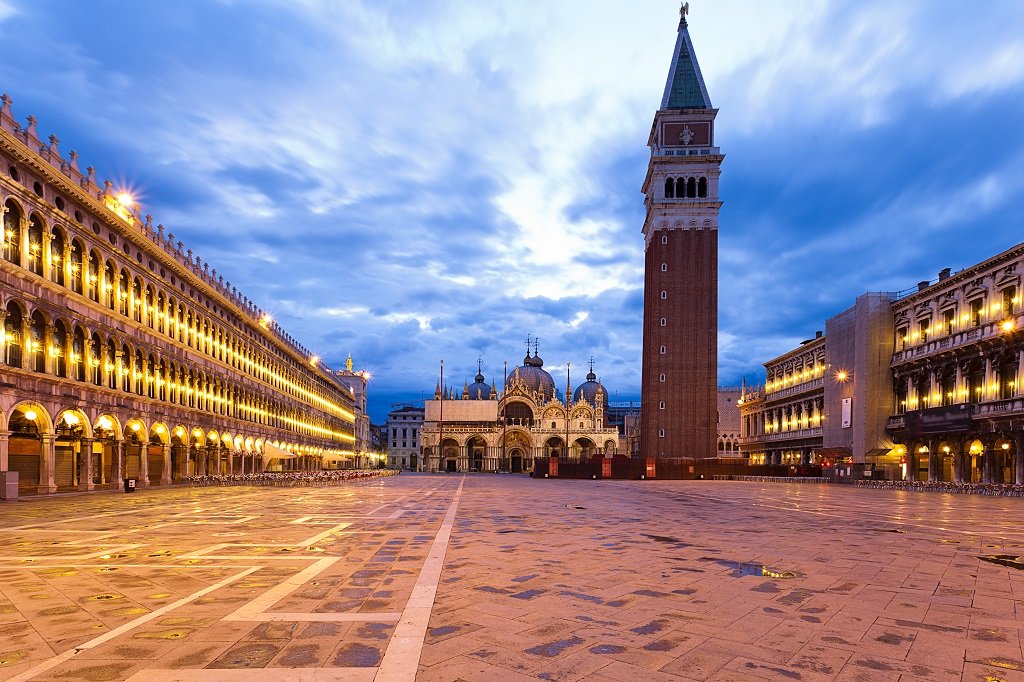
A nearly empty Piazza San Marco at dawn is possible. Having the Trevi Fountain entirely to yourself at midday is not. The goal should be to experience major landmarks during their calmest hours, then spend the busiest periods discovering places where daily Italian life continues at a gentler pace.
The most successful itineraries follow four principles:
Travel during the right season.
Visit popular places at unconventional times.
Reserve high-demand attractions before arrival.
Balance famous sights with quieter, equally rewarding experiences nearby.
This approach allows you to enjoy Italy’s cultural treasures without spending the entire trip navigating the same routes as large tour groups.
Choose the Right Time of Year to Visit Italy
Consider the shoulder seasons
For many travelers, the best time to visit Italy without peak-season crowds is during the shoulder months: generally spring and fall.
Late April, May, late September, and October can offer an appealing balance of pleasant weather, cultural activity, and fewer visitors than the height of summer. Exact conditions vary by region, so an itinerary should account for geography rather than treating Italy as a single climate zone.
Northern cities and the Italian Lakes may feel cool in early spring, while Sicily and Puglia can remain wonderfully mild well into autumn. Tuscany’s countryside has a different seasonal rhythm from Venice, just as the Amalfi Coast operates differently from Rome.
September is popular and should not automatically be considered quiet. In sought-after destinations, the second half of October may feel noticeably calmer than the first half of September.
Do not overlook winter city travel
Winter can be an excellent season for travelers primarily interested in art, architecture, food, and history.
Rome, Florence, Bologna, Turin, Naples, and Venice remain culturally compelling outside the warmer months. Museums are still open, restaurants are filled with local residents, and a cool afternoon can be ideal for lingering over lunch or exploring a historic palazzo.
January and February are particularly atmospheric in Venice, where misty canals and softly lit squares create a very different mood from the bright, busy summer season. Some seasonal businesses may close, however, especially in coastal destinations and smaller resort towns.
Be strategic about weekends and holidays
Italian cities attract both international visitors and domestic weekend travelers. A destination that feels composed on a Tuesday may be significantly livelier on Saturday.
Whenever possible, schedule major museum visits and historic centers from Tuesday through Thursday. Use weekends for countryside stays, private villas, relaxed meals, scenic drives, or smaller towns where your day is not dependent on a single high-demand attraction.
National holidays, religious celebrations, major festivals, cruise schedules, school breaks, and special events can all affect local crowd patterns. An experienced Italy travel planner will check these details before finalizing the route.
Use the Clock, Not Just the Calendar
Even during a popular month, the right daily schedule can transform an experience.
Start before the city fully wakes
The early hours are among the most beautiful in Italy.
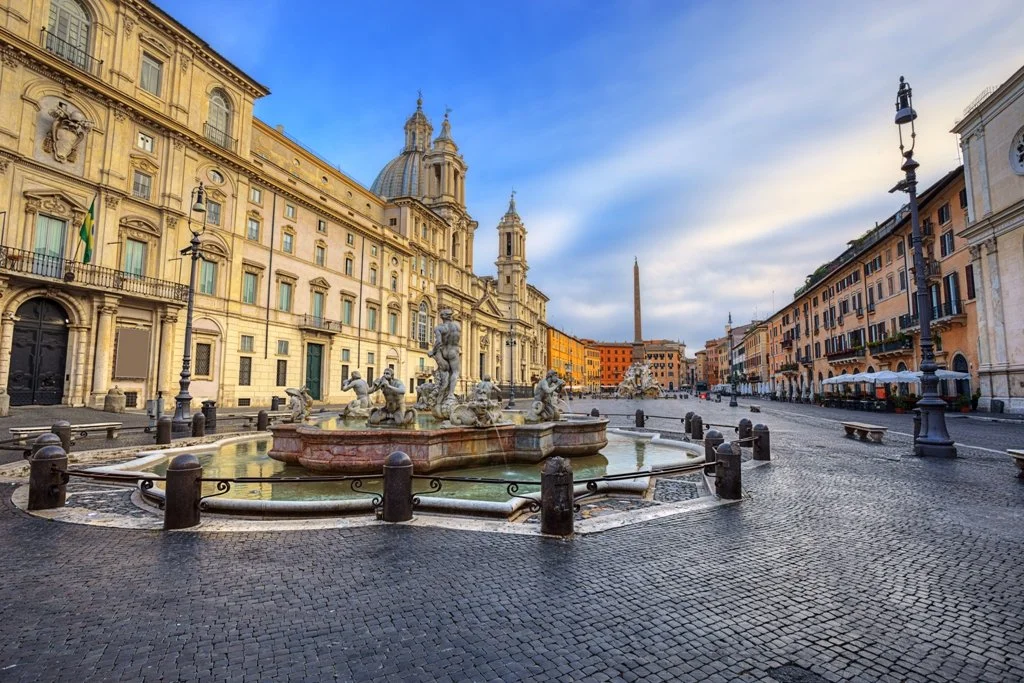
In Rome, an early walk might include the Spanish Steps, Trevi Fountain, Piazza Navona, or the exterior of the Pantheon before the streets fill. In Florence, the historic center feels more intimate before shops open. In Venice, dawn reveals quiet canals, delivery boats, residents walking their dogs, and an almost theatrical stillness around Piazza San Marco.
An early start does not mean rushing through breakfast every day. Select two or three mornings when the reward is worth it, then build slower mornings elsewhere into the itinerary.
Private transportation makes this easier. A driver waiting at your hotel removes uncertainty and allows you to reach a viewpoint, archaeological site, or ferry departure comfortably and on time.
Use the middle of the day differently
Between late morning and mid-afternoon, popular attractions and historic centers often feel busiest. Instead of competing with the heaviest flow of visitors, use those hours for experiences that benefit from a reservation or private setting.
Consider:
A long lunch at a countryside estate
A private cooking class
A winery visit by appointment
A hotel spa treatment
A private artisan workshop
A scenic transfer with stops
Time beside the pool at a country hotel
A guided visit to a smaller museum or private collection
For travelers who value comfort, a midday pause is not wasted time. It creates a more sustainable rhythm and allows you to return to the city refreshed as day-trippers begin to depart.
Return to the landmarks in the evening
Italian cities change character after sunset.
Daytime visitors leave, temperatures soften, monuments are illuminated, and residents return to their neighborhoods. An evening passeggiata can be more memorable than another hour spent checking attractions off a list.
Staying overnight in a destination — rather than visiting on a rushed day trip — is one of the simplest ways to experience its quieter side.
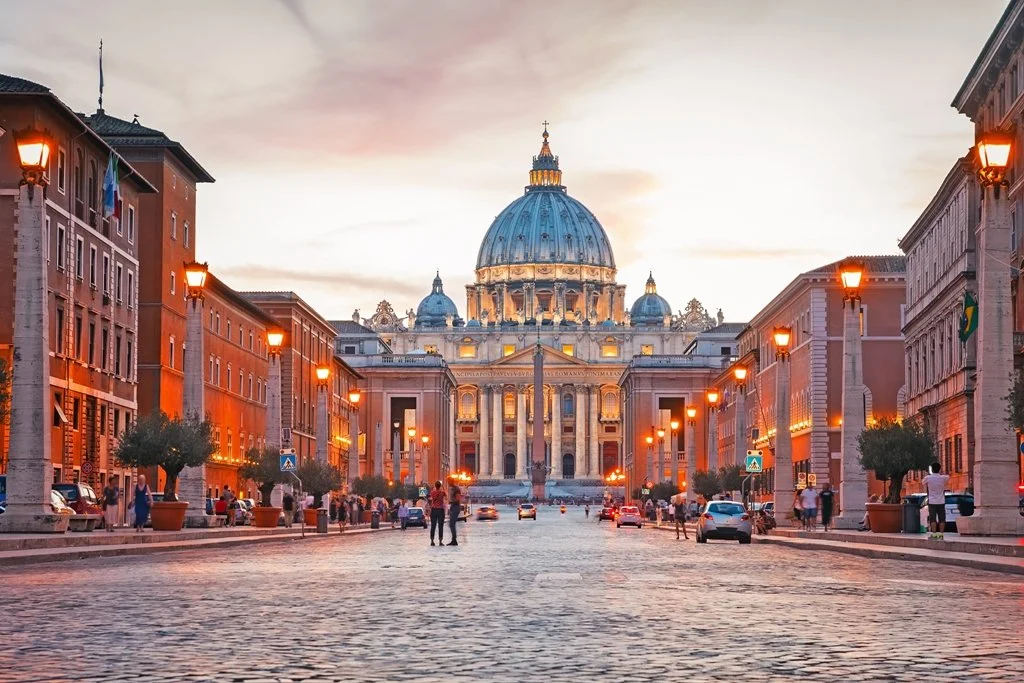
How to Experience Rome Without the Crowds
Rome rewards visitors who think in neighborhoods rather than lists.
See the Colosseum, Vatican, Pantheon, and Trevi Fountain, but surround those landmarks with quieter experiences. Explore the residential streets of the Aventine, visit churches containing extraordinary works of art, walk along the Appian Way, or discover the elegant architecture of lesser-visited districts.
A well-paced Rome itinerary might include an early landmark visit, lunch away from the busiest piazzas, an afternoon rest, and an evening food walk in a neighborhood where restaurants serve a local clientele.
Insider recommendation: enter through Rome’s quieter edges
Instead of repeatedly crossing the congested center, organize each day geographically.
One day may focus on Ancient Rome and the Monti district. Another might connect the Vatican with Prati. A third can explore the historic center early, followed by the Jewish Ghetto, Aventine Hill, or a private palazzo.
This reduces unnecessary driving and allows the city’s story to unfold naturally.
You can explore our Private Rome Tours here.
How to Enjoy Florence Without Feeling Rushed
Florence’s compact scale is both an advantage and a challenge. Its major attractions are concentrated within a relatively small historic center, which means the same streets can become busy during peak hours.
Stay centrally enough to walk to the Duomo before breakfast or after dinner. Reserve the Accademia and Uffizi in advance, then leave breathing room between them.
Cross the Arno to explore the Oltrarno, where artisan workshops, gardens, antiques, and neighborhood restaurants reveal a more intimate side of the city.
Insider recommendation: use Florence as a cultural base
Instead of changing hotels frequently, spend an additional night in Florence and take a private day trip into the Tuscan countryside.
A driver can connect a vineyard, a historic estate, a small hill town, and a leisurely lunch without the stress of renting a car or navigating limited-traffic zones. The experience becomes less about covering distance and more about meeting the people behind the landscape.
You can explore customized tours in Florence and Tuscany here.
How to See Venice Without the Day-Trip Crowds
Venice is most rewarding when treated as a place to inhabit rather than a backdrop to photograph.
Stay for at least two or three nights, ideally in a hotel that allows easy access to the quieter early mornings and evenings. Visit Piazza San Marco before breakfast, then explore Cannaregio, Castello, Dorsoduro, or the lagoon while daytime crowds concentrate around the principal route between the station, Rialto, and San Marco.
A private boat is not merely a luxury. It can be an elegant logistical solution, allowing you to move comfortably across the lagoon while seeing Venice from the perspective that best explains its history: the water.
Explore our customized Venice tours here.
How to Visit the Amalfi Coast Without Peak Congestion
The Amalfi Coast is spectacular, but its narrow roads, limited parking, ferry schedules, and compact villages can make improvisation uncomfortable during busy periods.
The first decision should be where to stay. Selecting the right base may eliminate hours of unnecessary movement.
Positano offers iconic scenery but includes steep streets and many steps. Ravello is quieter and elevated, with gardens and expansive views. Amalfi provides useful transport connections, while smaller communities can offer greater privacy.
Italy Luxury Tours offers luxurious vacation packages along the Amalfi Coast - check them out here.
Travel by water when conditions allow
A privately chartered boat can provide a more graceful way to experience the coastline. It avoids some road congestion, creates access to swimming stops, and reveals the dramatic geography of the coast better than a vehicle window can.
Rather than trying to “complete” every village in one day, choose one meaningful shore visit and allow time to enjoy the water.
Consider nearby alternatives
The Amalfi Coast need not carry the full weight of a southern Italy itinerary. Ischia, the Cilento Coast, the Sorrentine Peninsula, and parts of Puglia or Sicily may provide equally memorable coastal experiences with a different rhythm.
The goal is not to avoid famous places simply because they are famous. It is to decide how much of the journey should be spent in high-demand destinations and where a quieter complement would improve the trip.
Add Lesser-Known Places Without Creating a Second Checklist
“Off the beaten path” should not mean traveling long distances merely to claim a hidden gem.
The best lesser-known destinations usually fit naturally between the highlights. They might be a medieval village near your countryside hotel, an archaeological site along a transfer route, a family-owned winery outside a major city, or a lagoon island reached from Venice.
This approach creates contrast without sacrificing comfort.
Examples might include:
Orvieto or Civita di Bagnoregio between Rome and Tuscany
The Val d’Orcia alongside Florence and Siena
Mantua or Vicenza as part of a northern Italy journey
The Langhe wine region combined with Turin
Lecce and the Valle d’Itria in Puglia
The baroque towns of southeastern Sicily
The islands and quieter communities of the Venetian Lagoon
Choose places because they enrich the narrative of your journey — not simply because fewer people have heard of them.
Stay in Hotels That Make Quiet Travel Possible
A thoughtfully chosen hotel does more than provide a beautiful room.
Location can determine whether you see a city at its most peaceful. A central hotel may allow you to walk to major landmarks before day visitors arrive. A countryside property can provide restorative afternoons between city stays. A waterfront hotel may eliminate difficult transfers and offer direct boat access.
For travelers who prioritize comfort, consider the practical details:
Is there an elevator?
How many steps lead to the entrance?
Can a vehicle reach the hotel?
Is the room exposed to street noise?
How far is the nearest boat landing?
Can breakfast be served early?
Does the property have a pool, garden, spa, or terrace?
Is there a concierge capable of handling last-minute changes?
In Italy, the most famous hotel is not always the best hotel for a particular itinerary. The right choice depends on how you plan to experience the destination.
Work With Private Guides Who Can Adapt in Real Time
The value of a private guide is not limited to historical knowledge.
Excellent local guides read a city as it changes throughout the day. They know which entrance is functioning smoothly, when a square is temporarily overwhelmed, which church has unexpected hours, and where to pause when energy levels change.
They can shorten a museum visit without making it feel incomplete, replace a crowded stop with a meaningful alternative, or adjust the pace for travelers who prefer fewer stairs and more time to absorb what they are seeing.
This flexibility is especially valuable in Italy, where transportation delays, weather, special events, and local closures can affect even a carefully designed plan.
Frequently Asked Questions About Avoiding Crowds in Italy
What is the least crowded month to visit Italy?
There is no single quietest month for every region. January and February are often appealing for cultural city trips, while late autumn can work well in Rome, Florence, Naples, Sicily, and Puglia. Coastal resorts and rural hotels may have reduced services in winter, so the ideal month depends on the destinations and experiences you prioritize.
Is May or September better for avoiding crowds?
Both are attractive travel months and neither is reliably quiet in Italy’s most famous destinations. May may offer spring landscapes, while September brings warm weather and harvest-season experiences. Late May and early September can be particularly popular. For a calmer journey, consider late April, October, or a route that combines major cities with countryside stays.
How many nights should you spend in Italy’s major cities?
For a comfortable first visit, three or four nights in Rome and three nights in Florence or Venice provide a more relaxed pace than one- or two-night stops. Additional nights create opportunities to enjoy early mornings, evenings, and private day trips without changing hotels constantly.
Are skip-the-line tickets worth it in Italy?
Advance reservations are extremely valuable for high-demand attractions, but “skip the line” does not always mean immediate entry. Security checks and controlled admission procedures may still apply. The greatest advantage is certainty: having the correct ticket, entrance, and time arranged before arrival.
Can a private tour completely avoid crowds?
Not at every famous attraction. A well-designed private Italy tour can minimize exposure to peak congestion, secure appropriate reservations, use quieter routes, and adjust the schedule in real time. It cannot make the Sistine Chapel empty during standard public hours, but it can make the overall experience considerably calmer and more meaningful.
A Better Way to Experience Italy
Avoiding crowds in Italy is not about hiding from the country’s most important places. It is about seeing them under better circumstances.
Arrive before the busiest hours. Stay after day visitors leave. Reserve the experiences that require precision, but protect time for spontaneity. Use private transportation where it meaningfully improves comfort. Let a knowledgeable guide reveal what lies beyond the obvious. Most importantly, resist the temptation to see too much.
A bespoke private tour brings these elements together—matching the season, hotels, guides, transportation, and daily rhythm to the way you genuinely prefer to travel.
At Italy Luxury Tours, we specialize in creating custom private journeys throughout Italy, thoughtfully designed around your interests, travel style, and preferred pace. From expertly timed visits to iconic landmarks to authentic experiences in quieter corners of the country, every detail is carefully arranged to make your journey seamless, comfortable, and deeply personal. Let our local expertise transform your vision of Italy into a bespoke itinerary created entirely for you.