
The Best Time of Year for Tourists To Visit Italy

Italy doesn’t have a single perfect travel season. It has several, each with its own kind of magic. Spring wraps the countryside in flowers and soft light. Summer brings beach days, open-air dinners, and lively piazzas. Fall fills vineyards, markets, and trattorias with rich flavors. Winter turns museums, churches, and historic streets into quieter treasures.
That’s the beauty of planning a trip to Italy. You don’t need to chase someone else’s ideal itinerary. Instead, match the season to the experience you want. Maybe you dream of sipping wine in Tuscany, cruising the Amalfi Coast, wandering through Rome without rushing, or seeing Venice under a moody winter sky.
The best time to visit Italy depends on your travel style, your favorite pace, and the places you can’t wait to see.
Spring Feels Fresh
Spring may win over travelers seeking pleasant weather, colorful scenery, and a more relaxed pace than peak summer. March can still feel cool, especially in northern cities, but April and May often bring mild days that are ideal for sightseeing.
Rome feels especially inviting in spring. You can wander among ancient ruins, linger over lunch outdoors, and explore neighborhoods without the intense heat that comes later. Florence also shines in this season. The city feels lively, yet you can still enjoy art, architecture, and café culture without feeling swallowed by crowds.
The countryside makes spring feel even sweeter. Tuscany rolls out green hills, blooming gardens, and long golden afternoons. If you want a romantic pace, spring offers space for private tastings, scenic drives, and long meals that don’t have to compete with summer’s busiest energy.
Spring also works well for luxury tours in Italy because private planning lets you move gracefully between cities, vineyards, villages, and coastal stops. With the right itinerary, you can enjoy the season’s freshness without overloading each day.
Summer Brings Energy
Summer in Italy has a big personality. It’s sunny, busy, festive, and full of life. If you love warm evenings, beach clubs, boat days, and the buzz of popular destinations, summer can feel unforgettable.
June often gives travelers the best version of summer. The weather feels warm, many seasonal destinations open fully, and the heaviest crowds haven’t reached their peak yet. July and August bring hotter days and more visitors, especially in places such as Rome, Florence, Venice, Capri, and the Amalfi Coast.
That doesn’t mean summer should scare you away. You just need a smarter pace. Plan major sightseeing early in the day, give yourself long lunches, and save evenings for strolling, dining, and gelato. A private driver can make summer travel much more comfortable, especially when you want to avoid crowded trains, parking headaches, or long walks with luggage.
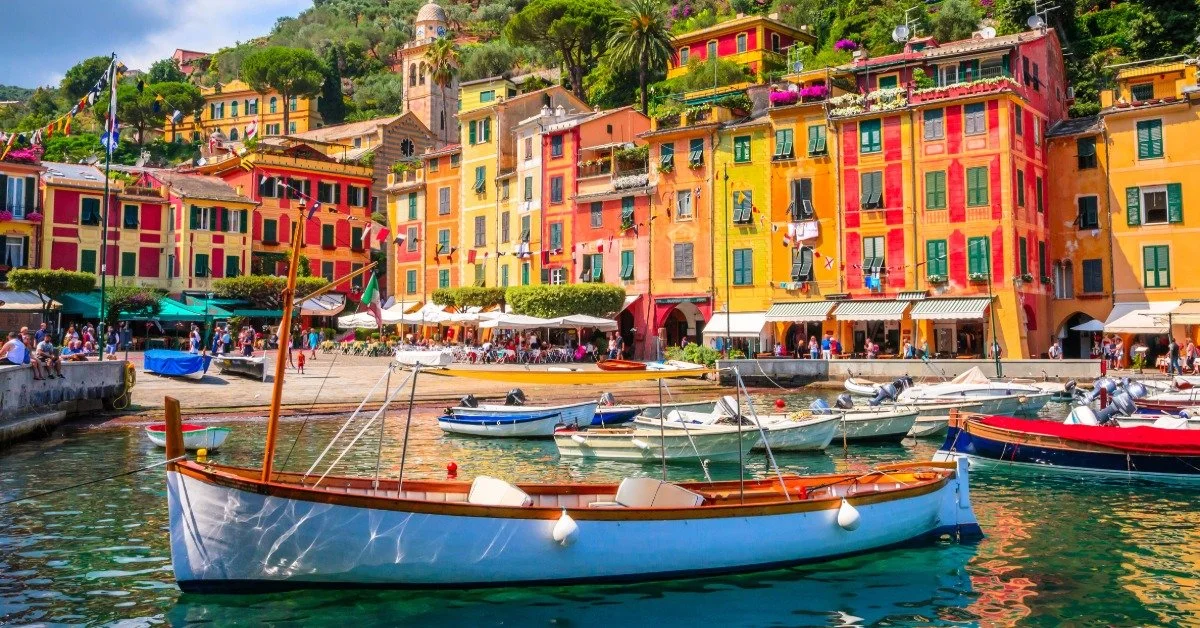
Coastal Italy becomes the star in summer. The Amalfi Coast, Sardinia, Sicily, Capri, and Puglia all offer that dreamy mix of blue water, seafood, linen outfits, and sunset views. If your heart wants boats, beaches, and glamorous evenings, summer knows how to deliver.
Fall Tastes Incredible
Fall may feel like Italy at its most generous. September keeps much of summer’s warmth, but the pace starts to soften. October brings cooler days, harvest energy, and cozy meals that make travelers want to stay at the table just a little longer.
Food and wine lovers often fall hard for Italy during this season. Vineyards become especially inviting, and regions such as Tuscany, Piedmont, Umbria, and Veneto offer rich flavors, scenic drives, and charming towns that feel made for slow travel.
Cities also feel more comfortable in the fall. Rome, Florence, and Venice still attract visitors, but the heat usually fades. You can spend more time walking, exploring museums, visiting churches, and sitting outside with a glass of wine before dinner.
Fall also suits travelers who want variety. You can pair a few days in the countryside with historic cities, cooking experiences, wine tastings, and relaxed evenings. September can still support coastal plans in many areas, while October leans beautifully into culture, cuisine, and countryside charm.
Winter Shows a Quieter Side
Winter in Italy doesn’t try to compete with summer. It offers something different, and that difference can feel deeply rewarding. From late November through February, many cities grow quieter, hotel availability can improve, and famous landmarks often feel easier to enjoy.
Rome in winter can feel surprisingly wonderful. The city still offers incredible food, art, history, and energy, but the cooler weather makes long walks pleasant. Florence gives travelers more room to linger in museums, admire architecture, and enjoy rich Tuscan meals. Venice feels romantic and mysterious in winter, especially when mist drifts over the canals.
December brings holiday lights, festive markets, nativity scenes, and elegant window displays. January and February can feel quieter, but that calm appeals to travelers who want culture without constant crowds.
Winter also works well for travelers who love the mountains. The Italian Alps and Dolomites bring skiing, cozy lodges, dramatic views, and hearty meals. Italy doesn’t stop being beautiful when beach season ends. It simply changes its mood.
Match Regions With Seasons
Italy rewards thoughtful timing because each region has its own rhythm. Northern Italy, including Milan, Lake Como, Venice, and the Dolomites, can feel crisp in spring and fall, glamorous in summer, and atmospheric in winter. Lake destinations often feel best from late spring through early fall, when outdoor dining, boating, and garden visits shine.
Central Italy, including Tuscany, Umbria, Florence, and Rome, works beautifully in spring and fall. Summer can still deliver wonderful experiences, but heat can slow your pace in cities and hill towns. Private transportation, shaded lunch stops, and well-timed tours can help.
Southern Italy and the islands love the warmer months. The Amalfi Coast, Sicily, Puglia, Capri, and Sardinia feel especially alive from May through September. October can also feel lovely in the south, with warm afternoons and a calmer pace.

Think About Your Travel Pace
Your ideal season also depends on how you like to travel. Some people love the cheerful chaos of high season. They enjoy lively restaurants, busy streets, and a calendar full of events. Others want quiet mornings, flexible reservations, and fewer lines.
If you want maximum energy, choose summer or early September. If you want comfort, beauty, and balance, choose spring or fall. If you want museums, food, shopping, and atmosphere with fewer crowds, winter may surprise you.
The pace of your itinerary also matters. A fast-paced trip through Rome, Florence, Venice, and the Amalfi Coast may feel easier in spring or fall. A beach-focused escape may shine in June or September. A food-and-wine journey through Tuscany or Piedmont may feel most satisfying in the fall.
Plan Around Special Moments
Seasonal experiences can turn a good trip into one you talk about for years. Spring brings garden visits, Easter traditions, and fresh menus. Summer brings music, beach clubs, outdoor dining, and boat excursions. Fall brings truffle season, grape harvest energy, olive oil tastings, and rich regional dishes. Winter brings Christmas markets, opera nights, skiing, and quieter cultural days.
You don’t need to build your entire trip around a single event, but a seasonal highlight can give your itinerary a strong sense of place. A private cooking class in fall, a day on a yacht in summer, a garden visit in spring, or a holiday stroll in winter can make the trip feel personal.
That’s where customized planning delivers real value. Instead of following a rigid route, you can tailor the journey to the moments that excite you most.
Choose Your Best Season
So, when should tourists visit Italy? For many travelers, April, May, September, and October offer the strongest mix of comfortable weather, beautiful scenery, and a manageable pace. These months work especially well for first-time visitors who want cities, countryside, coastlines, and food without the extremes of summer or winter.
Still, the best time depends on the trip you want. Summer delivers sunshine and seaside glamour. Winter gives you culture, calm, and festive charm. Spring feels fresh and romantic. Fall tastes warm, rich, and unforgettable. Italy doesn’t ask you to choose wrong or right. It asks you to choose what makes your heart lean forward.
With a thoughtful itinerary, every season reveals something extraordinary. Italy Luxury Tours helps travelers craft private journeys tailored to their interests, timing, and travel style, whether they want iconic cities, hidden villages, wine country, coastal beauty, or a little bit of everything. Pick the season that matches your dream, then let Italy do what it does best. It’ll welcome you with beauty, flavor, history, and more than a few moments you’ll wish you could bottle and bring home.
