
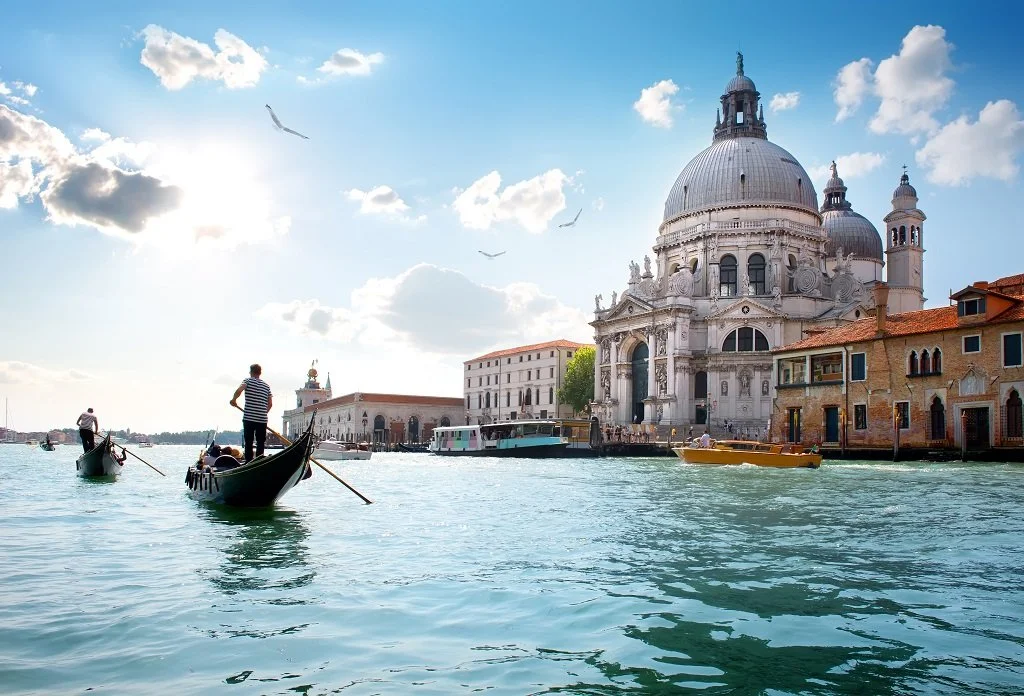
Venice is a city that hardly needs an introduction. Its winding canals, magnificent palaces, and centuries-old churches have captivated travelers for generations. From the grandeur of St. Mark's Basilica to the breathtaking views along the Grand Canal, Venice offers some of Italy's most recognizable sights.
But there is another Venice, one that reveals itself when you leave the busiest thoroughfares behind.
Beyond the crowds of St. Mark's Square and the Rialto Bridge, quiet canals wind through residential neighborhoods, neighborhood wine bars serve traditional Venetian specialties, and beautiful churches preserve artistic treasures that many visitors never discover.
Here, the rhythm of daily life feels remarkably different. Residents exchange greetings across narrow streets, boats deliver supplies along the canals, and small squares provide peaceful places to admire the city's extraordinary architecture.
For travelers seeking authentic experiences, discovering these lesser-known corners can be among the most rewarding things to do in Venice.
From the historic neighborhoods of Cannaregio and Castello to intimate bacari and secluded canal walks, here is how to experience Venice beyond its most famous landmarks.
Cannaregio: Discover One of Venice's Most Authentic Neighborhoods
Located in northern Venice, Cannaregio offers an appealing combination of historic architecture, traditional restaurants, and quieter residential streets.
Although the district contains busy pedestrian routes connecting the railway station with central Venice, just a few turns away from these thoroughfares, the atmosphere changes considerably.
Cannaregio is especially rewarding for travelers who prefer exploring at a leisurely pace, stopping for photographs, admiring historic buildings, and discovering places that reveal how Venetians live.
Walk Along Fondamenta della Misericordia and Fondamenta degli Ormesini
Among the most enjoyable things to do in Cannaregio is strolling along Fondamenta della Misericordia and the neighboring Fondamenta degli Ormesini.
These picturesque canal-side promenades are lined with colorful buildings, small bridges, traditional taverns, and inviting wine bars.
During the morning, they offer opportunities to observe everyday Venetian life before the afternoon and evening crowds arrive. Small boats pass along the canals, local businesses prepare for the day, and the reflections of historic buildings shimmer across the water.
Later, the neighborhood becomes a lively gathering place for aperitivo, when residents and visitors meet for wine and cicchetti, Venice's traditional small bites.
Insider tip: Visit in the morning for quieter canal photography, then return in the early evening to experience the neighborhood's vibrant food and wine culture. The two visits reveal entirely different sides of Cannaregio.
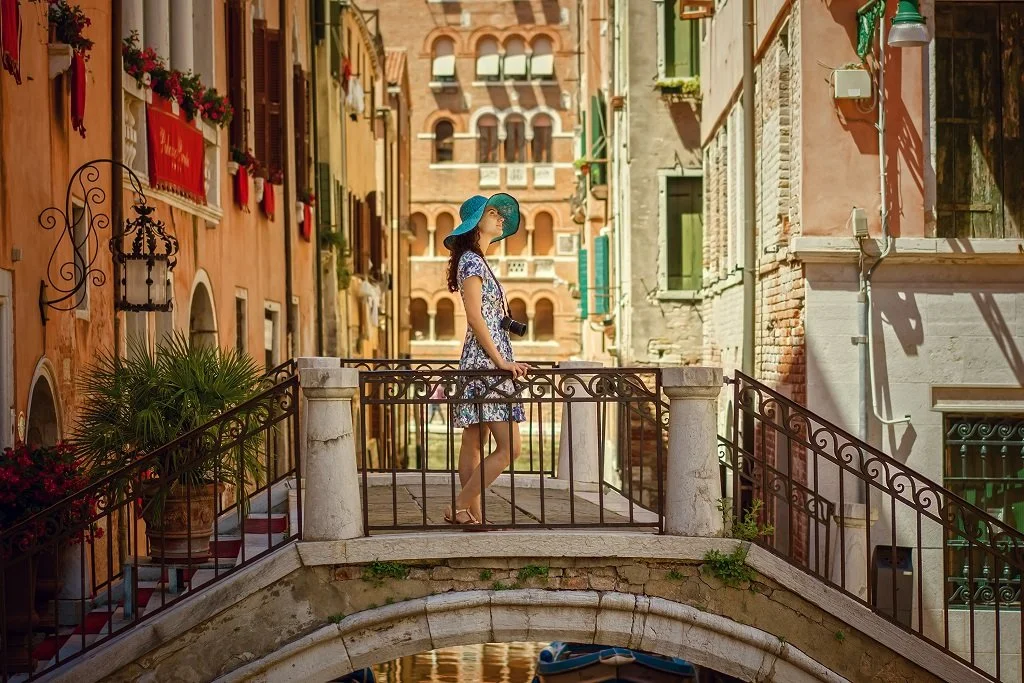
Explore the Hidden Squares of Cannaregio
Some of Venice's most beautiful places are not grand piazzas but intimate neighborhood squares known as campi.
In Cannaregio, Campo dei Mori, Campo dell'Abbazia, and Campo Sant'Alvise offer wonderful alternatives to the city's more heavily visited public spaces.
Campo dei Mori is especially atmospheric, with historic buildings and unusual stone figures connected to local legends. Nearby, Campo dell'Abbazia provides a picturesque setting surrounded by centuries-old architecture.
Campo Sant'Alvise, meanwhile, offers a glimpse of residential Venice, where daily neighborhood life continues away from the busiest sightseeing routes.
These squares are particularly appealing to photographers and travelers who enjoy discovering the quieter details of a destination.
Rather than rushing between attractions, allow time to wander, admire the architecture, and appreciate the character of each neighborhood.
Discover the Historic Jewish Ghetto
Cannaregio is also home to the historic Venetian Jewish Ghetto, established in 1516.
This remarkable neighborhood contains centuries of cultural and religious history, including historic synagogues and buildings that reflect the community's longstanding presence in Venice.
Today, Campo del Ghetto Nuovo remains an important place for understanding the city's complex heritage.
A knowledgeable local guide can help visitors appreciate the neighborhood's history, architectural details, and continuing cultural significance.
For those interested in Jewish heritage, guided visits to accessible synagogues and cultural sites can provide valuable context. Visiting arrangements should be checked in advance, particularly around religious holidays.
Castello: A Different Side of Venice Beyond the Tourist Crowds
Stretching eastward from the area surrounding St. Mark's Square, Castello is Venice's largest historic district and one of its most fascinating neighborhoods.
While its western streets contain several popular attractions, the eastern sections offer a more residential atmosphere.
Here, everyday life unfolds among quiet canals, neighborhood shops, historic churches, and welcoming squares.
Explore Via Garibaldi and the Surrounding Streets
One of Castello's most distinctive streets is Via Garibaldi, an unusually wide thoroughfare lined with cafés, shops, restaurants, and local businesses.
Unlike the narrow passageways found throughout much of Venice, Via Garibaldi feels like a traditional neighborhood main street.
It is an excellent place to enjoy a morning coffee, browse local shops, or stop for a casual lunch.
The surrounding side streets lead toward quieter canals and smaller residential squares, creating opportunities for exploration beyond the main pedestrian routes.
For a memorable experience, consider combining a walk through Via Garibaldi with a visit to the nearby waterfront and public gardens.
Visit San Pietro di Castello
Farther east lies San Pietro di Castello, an area that feels wonderfully removed from Venice's busiest attractions.
The Basilica of San Pietro di Castello once served as Venice's patriarchal cathedral before that role moved to St. Mark's in the early nineteenth century.
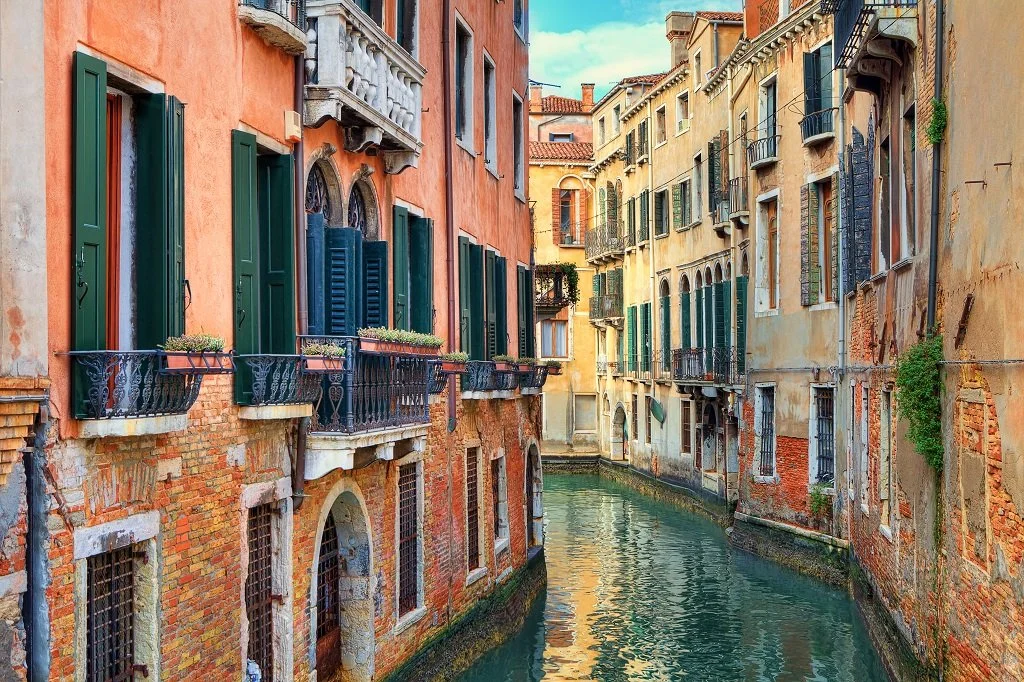
Its surroundings are particularly appealing, with modest residential buildings, peaceful canals, and a distinctive grassy square that recalls an earlier Venice.
This is an ideal destination for travelers who appreciate history without the constant activity surrounding the city's most famous monuments.
Insider tip: Explore eastern Castello in the late morning or afternoon, allowing time for an unhurried walk through its residential streets. The changing light over the canals creates beautiful photography opportunities, particularly where small bridges frame the historic buildings.
Enjoy the Gardens of Sant'Elena
For another change of pace, continue toward Sant'Elena at the eastern edge of the historic city.
Its leafy paths and waterfront views provide a refreshing contrast to Venice's dense network of buildings and narrow streets.
The gardens and surrounding residential areas are especially appealing for travelers looking for space to relax and enjoy the lagoon scenery.
Lesser-Known Churches in Venice Worth Visiting
Venice's religious architecture extends far beyond St. Mark's Basilica. Throughout Cannaregio and Castello, smaller churches preserve extraordinary works of art and centuries of history.
Madonna dell'Orto: Tintoretto's Venetian Legacy
Located in Cannaregio, the Church of Madonna dell'Orto is closely associated with the Renaissance painter Tintoretto.
The artist lived nearby, contributed important works to the church, and was buried there alongside members of his family.
Its beautiful Gothic architecture and remarkable artistic heritage make it an excellent stop for visitors interested in Venetian art.
Santa Maria dei Miracoli: A Renaissance Treasure
Also located in Cannaregio, Santa Maria dei Miracoli is celebrated for its elegant Renaissance architecture and richly decorated marble surfaces.
Designed by Pietro Lombardo, this intimate church offers a striking contrast to Venice's larger religious monuments.
Its exquisite craftsmanship makes it a particularly rewarding discovery for architecture enthusiasts.
San Francesco della Vigna: A Peaceful Corner of Castello
In Castello, San Francesco della Vigna offers another worthwhile cultural stop.
The church is known for its Renaissance architecture and association with prominent Venetian architects, including Jacopo Sansovino and Andrea Palladio.
Its location away from the busiest sightseeing corridors makes it a natural addition to a quieter neighborhood walk.
Travel tip: Church opening hours, admission arrangements, and access during religious services can vary. A local guide can help plan visits around current conditions and identify the artistic details worth seeking out.
Experience Venice Like a Local: Bacari and Traditional Cicchetti
One of the greatest pleasures of exploring Venice's lesser-known neighborhoods is discovering its traditional food and wine culture.
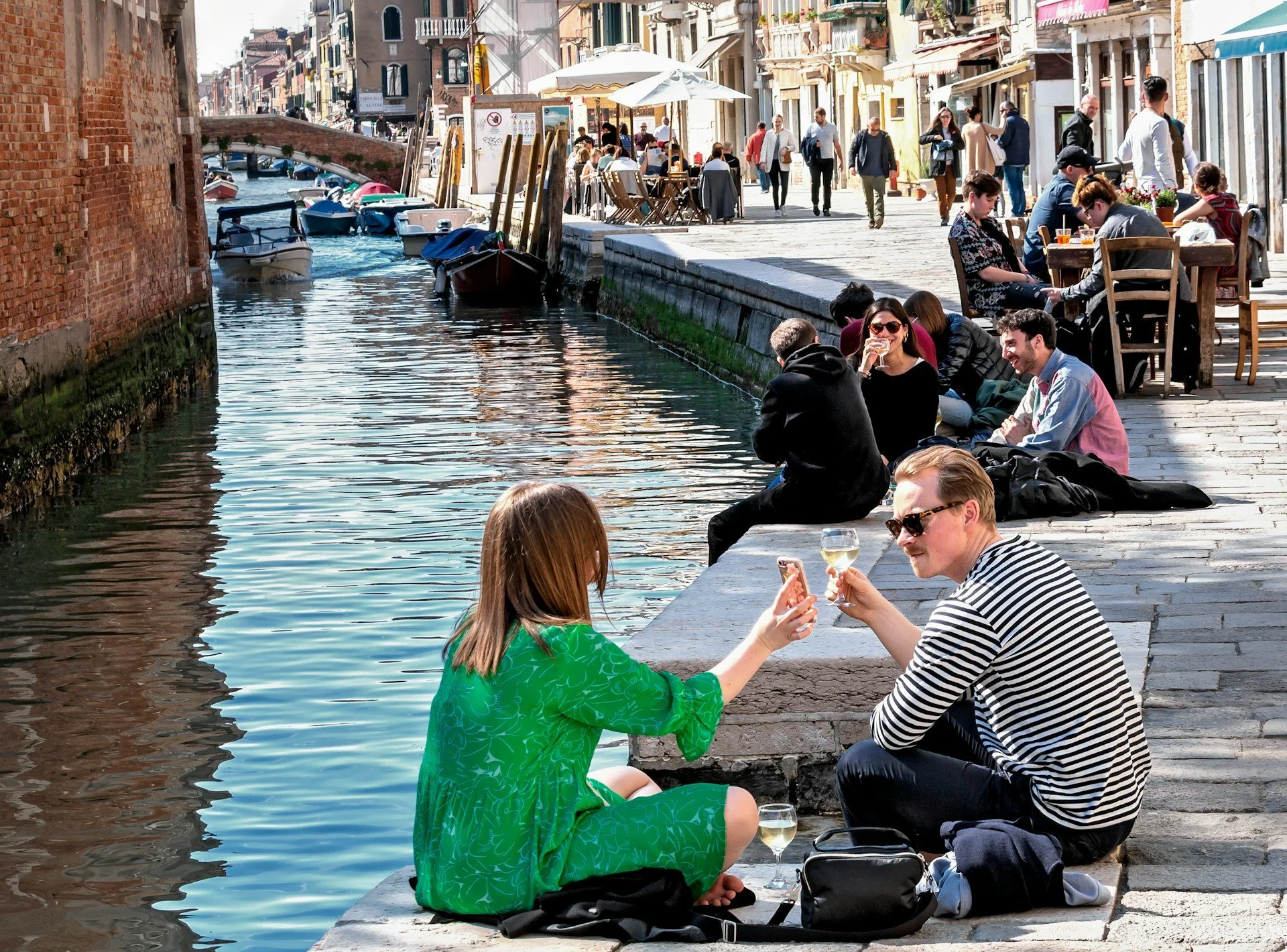
Throughout the city, small establishments known as bacari serve wine alongside cicchetti, the bite-sized specialties that have long been part of Venetian social life.
These informal gathering places offer a wonderful opportunity to experience local traditions without committing to an elaborate restaurant meal.
What Should You Order at a Venetian Bacaro?
Popular cicchetti include baccalà mantecato, a creamy preparation of salt cod often served on toasted bread or polenta, and sarde in saor, sardines prepared with onions in a sweet-and-sour style.
Other offerings may include seafood, vegetables, cheeses, and small sandwiches, depending on the establishment and season.
A traditional accompaniment is an ombra, a small glass of wine.
For travelers interested in experiencing this custom, the canal-side bacari of Cannaregio and neighborhood establishments around Via Garibaldi in Castello are excellent places to begin.
Rather than choosing establishments solely because they appear in popular travel guides, ask a knowledgeable local guide for recommendations based on the day's offerings and your preferences.
A well-chosen bacaro stop can become one of the most memorable dining experiences of a Venice itinerary.
How to Find Quiet Places in Venice: Practical Travel Tips
Even in one of Italy's most visited destinations, a thoughtful itinerary can create opportunities for quieter, more personal experiences.
A few simple strategies can make a significant difference.
Explore early in the morning. Residential canals and smaller squares are often particularly atmospheric before the day's sightseeing activity increases.
Stay beyond the main tourist corridors. Streets surrounding major landmarks can be crowded, while nearby residential neighborhoods may feel noticeably calmer.
Allow time for spontaneous discoveries. Some of Venice's finest views appear unexpectedly at the end of a narrow street or across a small neighborhood bridge.
Choose accommodations thoughtfully. A well-located boutique hotel can combine comfort with convenient access to Venice's quieter neighborhoods.
Travel with an experienced local guide. Someone who understands the city's layout and daily rhythms can help you avoid unnecessary backtracking and make better use of your time.
Comfortable walking shoes are essential, as Venice's historic streets include uneven paving and numerous bridges with steps. Travelers with mobility considerations should discuss suitable routes and transportation arrangements in advance.
It is also important to remember that these neighborhoods are places where people live and work. Respect residential spaces, keep bridges clear, and support local businesses wherever possible.
Frequently Asked Questions About Venice's Hidden Gems
What Are the Best Quiet Places in Venice?
Some of the best places to seek a quieter atmosphere include the residential streets of northern Cannaregio, Campo Sant'Alvise, the area around Madonna dell'Orto, San Pietro di Castello, and the gardens of Sant'Elena. Conditions vary by season and time of day, so early mornings are often especially rewarding.
Is Cannaregio Worth Visiting?
Absolutely. Cannaregio is one of the best neighborhoods in Venice for travelers interested in local food, historic churches, traditional architecture, and everyday Venetian culture. Its canal-side promenades, small squares, and Jewish heritage make it a particularly worthwhile addition to a Venice itinerary.
Can You Explore Venice Beyond St. Mark's Square in One Day?
Yes. A full day can provide an excellent introduction to quieter neighborhoods, particularly if you focus on either Cannaregio or Castello rather than attempting to visit everything. Travelers staying two or more nights have greater flexibility to explore both districts at a relaxed pace.
Discover a More Personal Venice with a Private Local Guide
Venice rewards curiosity, but its intricate network of canals, bridges, and narrow streets can make independent exploration surprisingly challenging.
A private guided experience allows travelers to discover the city with greater ease, combining important historical landmarks with neighborhood discoveries that reflect their personal interests.
Whether your priorities include Renaissance art, authentic Venetian cuisine, architectural photography, or simply enjoying beautiful places away from the busiest crowds, a customized itinerary can make the experience more meaningful.
This is where local knowledge becomes particularly valuable.
A guide familiar with Venice's neighborhoods can recommend rewarding walking routes, introduce regional food traditions, and help travelers experience the city at a comfortable, unhurried pace.
Experience the Venice That Lies Beyond the Guidebooks
Venice will always be celebrated for its magnificent landmarks, and rightly so. St. Mark's Square, the Grand Canal, and the Rialto Bridge are extraordinary sights that deserve a place on any first-time itinerary.
Yet the city's deeper charm often emerges elsewhere.
It appears in the reflection of a quiet canal, the conversation inside a neighborhood bacaro, the remarkable artwork of a small church, or the peaceful atmosphere of a residential square.
Exploring Cannaregio, Castello, and Venice's lesser-known corners offers an opportunity to experience the city not simply as a collection of famous attractions, but as a living destination shaped by centuries of history and tradition.
For travelers who appreciate this more personal approach, Italy Luxury Tours offers bespoke private travel experiences that combine Italy's celebrated destinations with the expertise of knowledgeable local guides.
Discover the company's Italy Classic Private Tour, featuring Venice alongside Florence, Tuscany, the Amalfi Coast, and Rome, and inquire about incorporating quieter neighborhoods and authentic local experiences into your personalized itinerary.
Because sometimes, the most unforgettable moments in Italy are the ones waiting just beyond the crowds.