
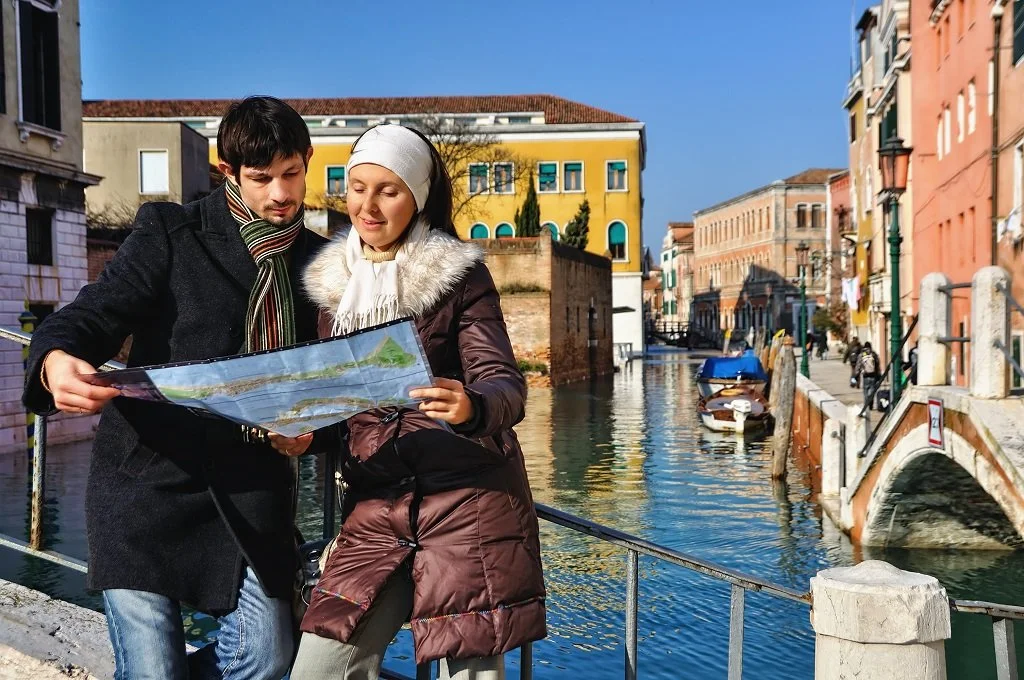
For many travelers, a first trip to Italy is a whirlwind of unforgettable experiences. Standing beneath the Sistine Chapel's magnificent ceiling, admiring Renaissance masterpieces in Florence, and gliding along Venice's canals are moments that leave a lasting impression.
But Italy has a remarkable way of inviting visitors back.
Beyond the celebrated landmarks lies a country of extraordinary regional diversity, where Alpine villages, ancient hilltop towns, family-owned vineyards, and quiet coastal communities offer entirely different perspectives on Italian life.
For those planning a second trip to Italy, the possibilities are especially exciting. Having already experienced the country's iconic destinations, returning visitors can embrace a slower, more personal style of travel, spending less time navigating major attractions and more time discovering the places, people, and traditions that make each region unique.
From the vineyards of Piedmont to the sun-drenched shores of Calabria, these seven destinations offer compelling reasons to return.
If you're wondering where to go in Italy after Rome, Florence, and Venice, consider these remarkable regions, many of which feature in our collection of off-the-beaten-path private Italy tours.
1. Piedmont: Exceptional Wines, Elegant Cities and Culinary Traditions
Best for: Food and wine enthusiasts, cultural travelers, and countryside escapes.
Tucked into northwestern Italy, Piedmont offers a sophisticated combination of exceptional cuisine, historic architecture, and beautiful rural landscapes.
Often overshadowed by Tuscany, Piedmont is one of Italy's most rewarding destinations for travelers who appreciate fine wine and regional gastronomy.
The UNESCO-listed vineyard landscapes of the Langhe are home to celebrated Barolo and Barbaresco wines, while the charming towns of Alba, La Morra, and Barolo provide opportunities to visit local wineries and discover centuries-old winemaking traditions.
Autumn is particularly special, when the region celebrates its prized white truffles through seasonal markets and culinary events.
Beyond the vineyards, Turin offers an entirely different experience. Once the capital of the Kingdom of Italy, this elegant city features grand boulevards, historic cafés, royal residences, and outstanding museums.
A private Piedmont itinerary might combine several days in Turin with countryside accommodations, guided vineyard visits, and memorable meals featuring local specialties such as vitello tonnato, agnolotti pasta, and rich regional wines.
For a deeper look at the region's culinary appeal, explore our guide to why Piedmont belongs on a food and wine lover's Italy itinerary.
2. Aosta Valley: Alpine Scenery, Medieval Castles and Roman History
Best for: Mountain scenery, historic villages, and relaxed luxury retreats.
For travelers drawn to Switzerland's mountains but eager to remain in Italy, the Aosta Valley offers an extraordinary Alpine experience.
Italy's smallest region sits beneath some of Europe's highest peaks, including Mont Blanc and the Matterhorn, creating a landscape of dramatic mountains, green valleys, and centuries-old settlements.
The regional capital, Aosta, preserves remarkable Roman monuments, including its ancient theater and triumphal arch. Throughout the surrounding countryside, medieval fortresses such as Fénis Castle and the impressive Fort of Bard reveal the valley's strategic historical importance.
In Courmayeur, visitors can enjoy upscale mountain hospitality, panoramic excursions, and excellent regional cuisine without needing to undertake demanding hikes.
The summer months are ideal for scenic mountain outings, while early autumn brings colorful forests and a particularly peaceful atmosphere.
Aosta Valley pairs beautifully with neighboring Piedmont, allowing travelers to experience both celebrated wine country and breathtaking Alpine scenery in one journey.
Our Piedmont and Aosta Valley private tour provides inspiration for combining these destinations. You can also discover more in our Aosta Valley travel guide.
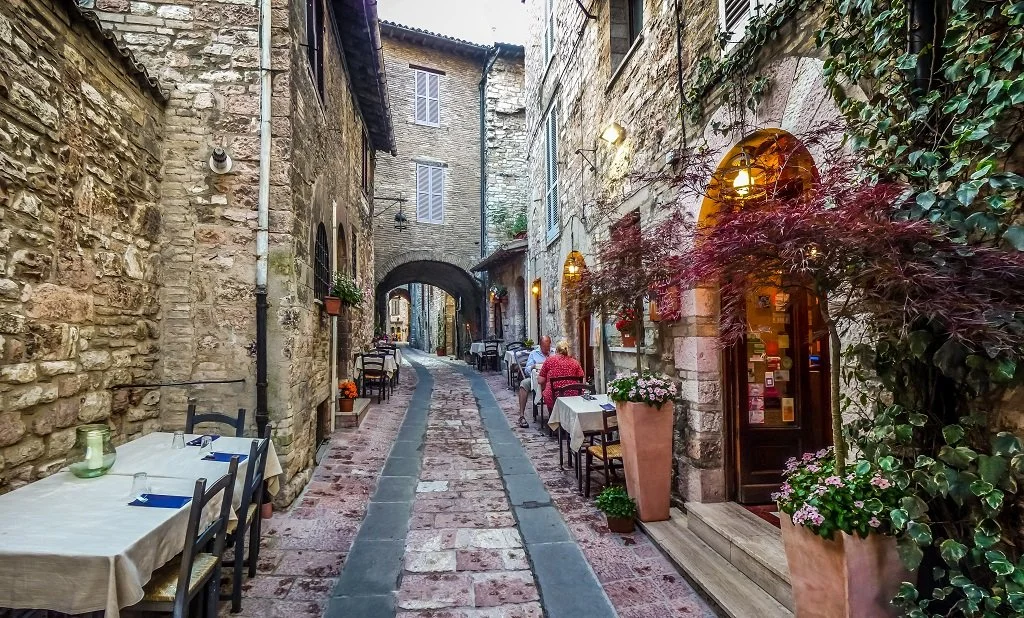
3. Umbria: Medieval Hill Towns and the Heart of Rural Italy
Best for: History, countryside relaxation, art, and authentic regional cooking.
Travelers who loved Tuscany's rolling hills and historic villages will find much to admire in neighboring Umbria.
Often called the Green Heart of Italy, this landlocked region offers olive-covered hillsides, atmospheric medieval towns, and a slower pace that makes it especially appealing for a second Italian vacation.
Assisi is renowned for its magnificent Basilica of Saint Francis, while Spello charms visitors with flower-lined lanes and ancient stone architecture.
Orvieto, dramatically perched above the countryside on volcanic rock, combines a spectacular Gothic cathedral with fascinating underground passages and Etruscan history.
Umbria's culinary traditions are equally compelling. Visitors can enjoy local olive oil tastings, seasonal truffles, handmade pasta, and excellent wines, including those produced around Montefalco.
Rather than moving between accommodations every night, consider staying at a beautifully restored countryside estate and exploring nearby towns with a private guide.
Our Discover Umbria – Heart of Italy Tour highlights many of the region's cultural treasures.
For travelers deciding between these neighboring destinations, our Tuscany vs. Umbria comparison offers additional guidance. History enthusiasts may also enjoy exploring Italy's Etruscan heartland.
4. Le Marche: Renaissance Art, Adriatic Beaches and Unspoiled Countryside
Best for: Art lovers, scenic coastal escapes, and travelers seeking lesser-known destinations.
Stretching between the Apennine Mountains and the Adriatic Sea, Le Marche brings together many of Italy's greatest pleasures without the international recognition of its more famous neighbors.
Its countryside features vineyard-covered hills, medieval villages, and historic estates, while the coastline offers inviting beaches and picturesque seaside communities.
The UNESCO-listed town of Urbino is one of Italy's great Renaissance centers, celebrated for its impressive Ducal Palace and artistic heritage.
Farther south, Ascoli Piceno welcomes visitors with elegant travertine architecture, beautiful piazzas, and a lively local food culture.
Along the Conero Riviera, the coastal villages of Sirolo and Numana provide opportunities to enjoy beautiful Adriatic scenery and fresh seafood. Some secluded beaches require steep paths or boat access, making thoughtful planning worthwhile.
Le Marche is particularly suited to travelers who want to combine cultural sightseeing with leisurely afternoons in the countryside or beside the sea.
Our Marche and Umbria Towns & Villages tour offers an excellent introduction to this fascinating part of central Italy.
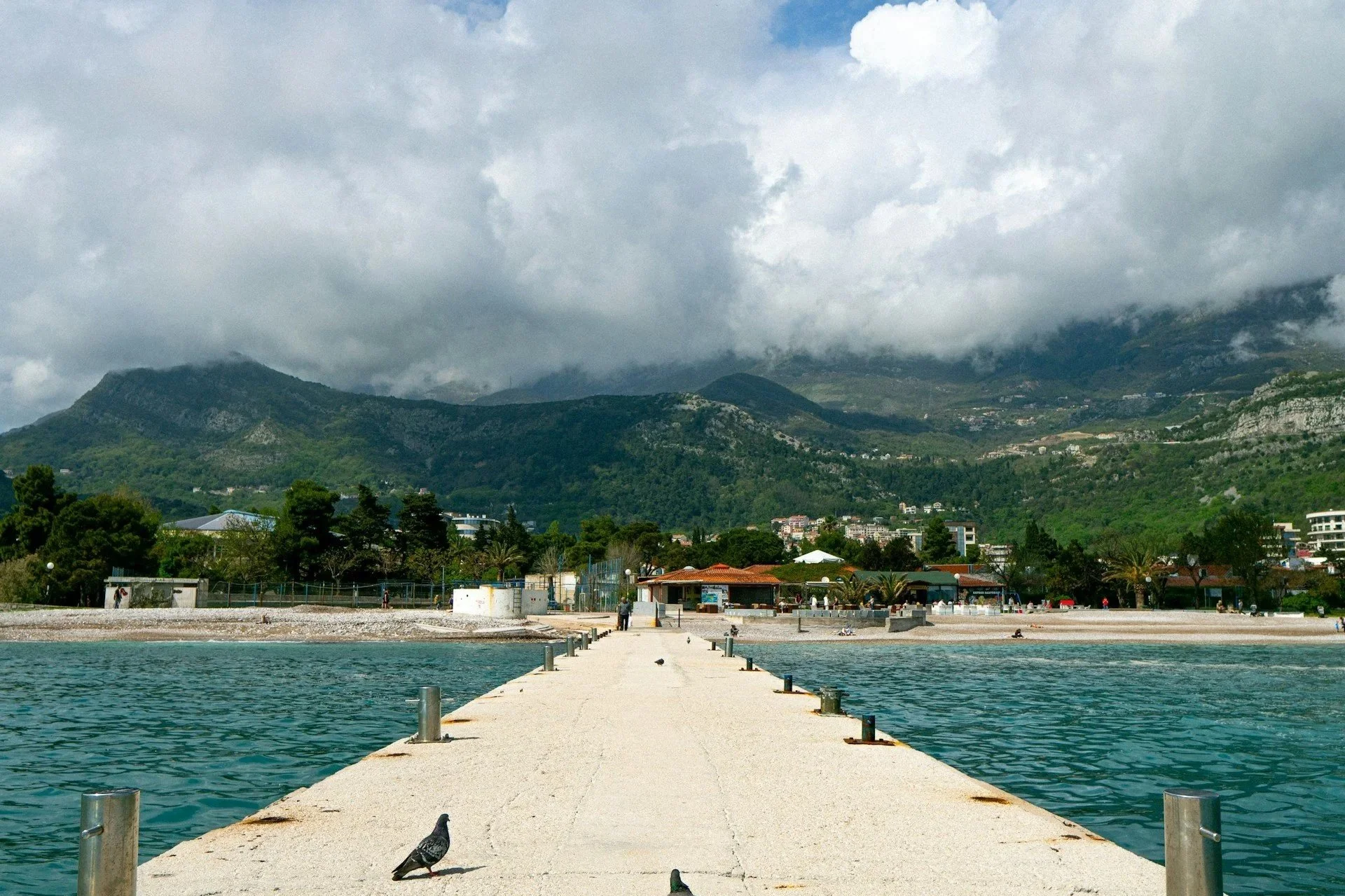
5. Abruzzo: Mountain Villages, National Parks and Authentic Italian Traditions
Best for: Nature enthusiasts, traditional villages, and uncrowded countryside experiences.
Just east of Rome, Abruzzo reveals a strikingly different side of central Italy.
This mountainous region is known for the dramatic landscapes of Gran Sasso and Majella, historic stone villages, and vast protected natural areas.
Rocca Calascio, a medieval fortress perched high above the surrounding mountains, provides one of Italy's most memorable panoramas. The picturesque village of Scanno is equally captivating, with winding lanes and traditional architecture.
Farther east, Abruzzo's Adriatic coastline offers charming seaside towns and the distinctive trabocchi, traditional wooden fishing platforms extending over the water. Some have been transformed into restaurants serving regional seafood specialties.
Abruzzo is particularly appealing to travelers interested in discovering local traditions, artisanal food production, and landscapes that feel far removed from Italy's busiest tourist centers.
Its neighboring region, Molise, makes an excellent addition for those seeking even more secluded villages and cultural experiences.
Our Abruzzo and Molise Towns & Villages tour explores this lesser-known corner of Italy.
For more inspiration, read our Abruzzo and Molise travel guide, covering historic towns, mountain landscapes, and the Adriatic coast.
6. Puglia: Lime-washed Villages, Olive Groves and Mediterranean Coastlines
Best for: Coastal relaxation, distinctive architecture, and southern Italian cuisine.
Located in the heel of Italy's boot, Puglia has become increasingly popular among international travelers, yet much of the region still offers an intimate, distinctly southern Italian atmosphere.
Its landscape is characterized by ancient olive groves, lime-washed villages, historic farmhouses, and long stretches of Mediterranean coastline.
The Valle d'Itria is particularly captivating, with charming towns such as Locorotondo, Martina Franca, and Alberobello, famous for its traditional conical-roofed trulli houses.
Along the Adriatic coast, Polignano a Mare and Monopoli offer dramatic coastal views, historic streets, and excellent seaside dining.
For a different perspective, the Gargano Peninsula combines rugged coastal scenery, forested landscapes, and appealing towns such as Vieste and Peschici.
Puglia also rewards travelers through its cuisine. Fresh burrata, handmade orecchiette, local olive oils, and seasonal seafood offer memorable introductions to regional food culture.
Although popular destinations can become busy during July and August, late spring and early autumn often provide a more relaxed experience.
Our Apulia & the Gargano Coast tour offers inspiration for exploring the region beyond its best-known attractions.
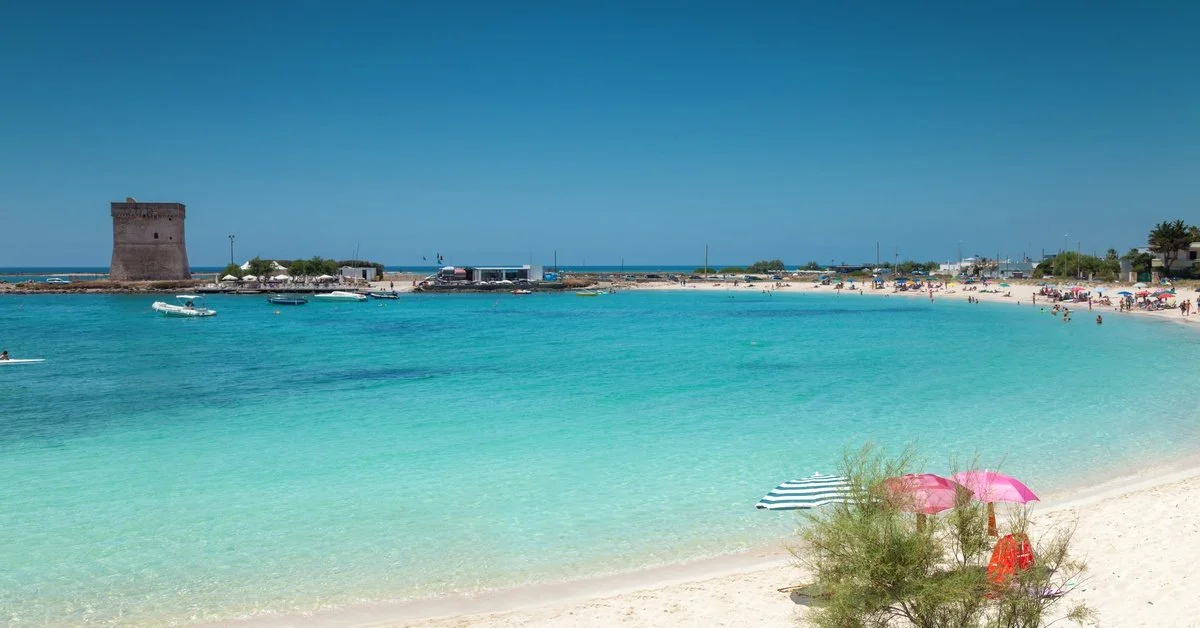
7. Calabria: Ancient Greek Heritage and Spectacular Southern Coastlines
Best for: Coastal scenery, ancient history, and adventurous cultural discovery.
At the southern tip of mainland Italy, Calabria remains one of the country's most intriguing destinations for travelers seeking something different.
Bordered by the Tyrrhenian and Ionian seas, the region offers dramatic cliffs, beautiful beaches, mountainous interiors, and towns shaped by centuries of Greek, Roman, and Byzantine influence.
On the Tyrrhenian coast, Tropea is celebrated for its clifftop historic center and turquoise waters, while Scilla offers a romantic seaside atmosphere in its traditional fishing neighborhood of Chianalea.
On the Ionian side, the Jasmine Riviera stretches through communities associated with the region's ancient Greek heritage.
Historic towns such as Gerace reveal remarkable architecture and cultural traditions, while local cuisine features distinctive specialties including spicy 'nduja, Calabrian chili peppers, and regional citrus fruits.
Calabria is ideal for travelers who appreciate discovery but also value comfortable accommodations, beautiful coastal settings, and expertly arranged transportation.
Our Calabria and the Jasmine Riviera tour introduces visitors to the region's landscapes, historic communities, and southern Italian character.
How to Plan Your Second Trip to Italy
Unlike a first visit focused on seeing as many famous attractions as possible, a second Italian vacation offers the opportunity to travel more deliberately.
How Many Regions Should You Visit?
For a journey lasting 10 to 14 days, focusing on two or three neighboring regions is generally more rewarding than attempting to cross the entire country.
Consider these combinations:
Piedmont and Aosta Valley: An elegant northern itinerary combining exceptional wines, historic cities, and Alpine scenery.
Umbria, Le Marche, and Abruzzo: A culturally rich journey through medieval villages, rolling countryside, and the Adriatic coast.
Puglia and Calabria: A southern Italian escape featuring coastal scenery, traditional cuisine, and ancient history, ideally with enough time for a relaxed journey between regions.
Allowing three or four nights in a principal destination creates room for guided experiences, memorable dining, and spontaneous discoveries.
What Is the Best Time for a Second Trip to Italy?
May, June, September, and October are excellent months for exploring many lesser-known Italian regions, offering generally pleasant sightseeing weather and opportunities to avoid the busiest summer periods.
However, the ideal season depends on your interests.
Autumn is especially appealing for wine and truffle experiences in Piedmont, while late spring and early autumn are wonderful for exploring Umbria and Le Marche. Puglia and Calabria offer attractive coastal conditions outside the height of summer, although swimming weather varies.
In Alpine destinations such as Aosta Valley, mountain roads, lifts, and high-altitude activities may operate seasonally, making advance planning particularly important.
Why Consider a Private Tour for Your Return Visit?
Some of Italy's most memorable destinations are not easily reached by public transportation.
A private driver and knowledgeable local guides can make it easier to connect smaller villages, countryside properties, wineries, and historic sites without sacrificing comfort.
More importantly, a bespoke itinerary allows you to shape the journey around your interests, whether that means wine tastings, archaeological discoveries, scenic drives, or simply enjoying the pleasure of an unhurried Italian afternoon.
Frequently Asked Questions About Visiting Italy for the Second Time
Where Should I Go in Italy After Rome, Florence, and Venice?
Piedmont, Aosta Valley, Umbria, Le Marche, Abruzzo, Puglia, and Calabria are excellent choices. Each offers distinct cultural traditions, landscapes, and culinary experiences beyond Italy's classic sightseeing circuit.
Is It Worth Visiting Italy for a Second Time?
Absolutely! Italy's 20 regions offer tremendous variety. A return visit allows travelers to discover different regional cuisines, historic towns, natural landscapes, and local traditions while enjoying a more relaxed itinerary.
What Are the Best Lesser-Known Regions of Italy for Luxury Travelers?
Piedmont is particularly appealing for fine wine and gastronomy, while Umbria offers elegant countryside accommodations and cultural experiences. Aosta Valley provides Alpine retreats, and Puglia combines distinctive boutique hospitality with beautiful Mediterranean scenery.
Discover a Different Side of Italy With Italy Luxury Tours
Italy's greatest attraction may be its ability to offer something new with every visit.
Beyond the celebrated monuments and famous cities, the country reveals itself through intimate encounters: a conversation with a local winemaker, a quiet afternoon in a medieval village, a remarkable meal prepared from regional ingredients, or a scenic drive through landscapes rarely featured in conventional itineraries.
At Italy Luxury Tours, we specialize in designing bespoke private journeys that reflect each traveler's interests, preferences, and ideal pace.
Whether you're returning to explore Piedmont's vineyards, discover Umbria's historic towns, or experience southern Italy's spectacular coastline, our customized itineraries bring together authentic experiences, knowledgeable local guides, and the comfort of thoughtfully arranged luxury travel.
Contact Italy Luxury Tours to begin planning your next Italian adventure—and discover how much more there is to experience beyond Rome, Florence, and Venice.