
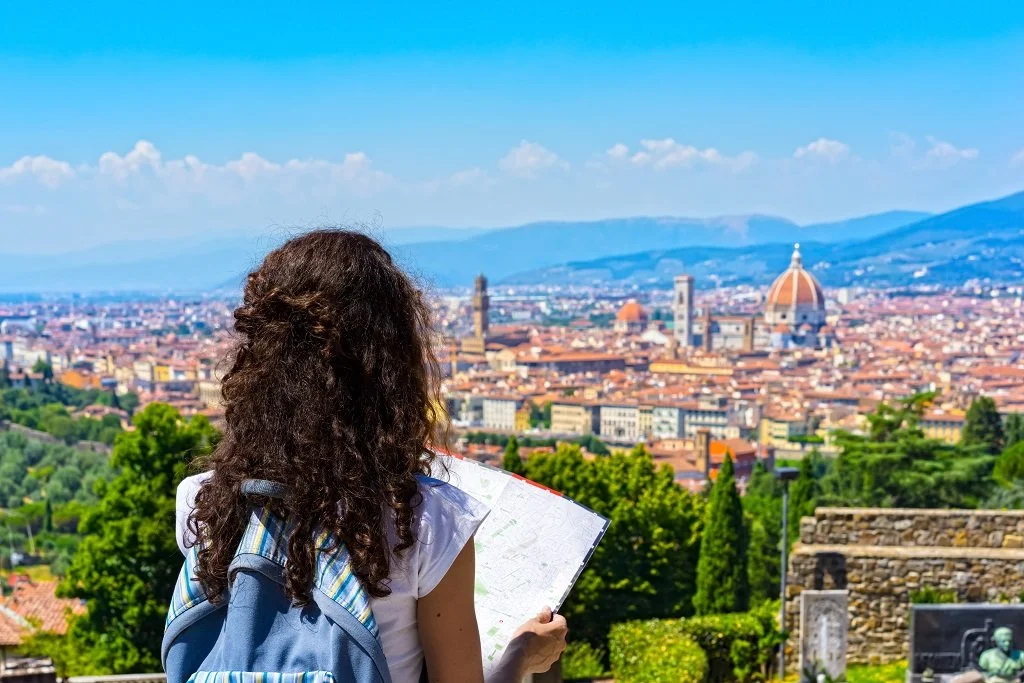
Florence is a city that needs little introduction. Its magnificent Duomo, Renaissance masterpieces, and world-famous museums have attracted travelers for centuries. Yet beyond these celebrated landmarks lies another side of Florence—one defined by centuries-old craftsmanship, intimate neighborhood squares, family-run trattorias, and winding streets where everyday Florentine life continues.
For travelers seeking a more personal connection with Tuscany's capital, some of the most memorable experiences happen away from the city's busiest attractions. Across the Arno River, the historic Oltrarno district offers a glimpse into Florence's living traditions, where artisans still practice skills passed down through generations and locals gather over leisurely meals.
Whether you're visiting Florence for the first time or returning to discover something new, exploring its lesser-known neighborhoods reveals a character that even the grandest monuments cannot fully capture.
Here are some of the best Florence hidden gems, authentic experiences, and non-touristy things to do in Florence for travelers who appreciate culture, craftsmanship, and the pleasure of slowing down.
Discover Oltrarno: Florence's Historic Artisan Quarter
While much of Florence's sightseeing revolves around the Duomo, Piazza della Signoria, and the Uffizi Gallery, the Oltrarno neighborhood offers an entirely different atmosphere.
Its name translates to "beyond the Arno," referring to the neighborhoods on the southern side of the river. Historically home to working-class families and skilled craftspeople, Oltrarno remains one of Florence's most distinctive cultural districts.
Here, elegant Renaissance palaces stand alongside modest workshops, independent boutiques, and neighborhood cafés. The streets feel more residential, and visitors can discover the city at a slower, more intimate pace.
The district encompasses several fascinating areas, including Santo Spirito, San Frediano, and San Niccolò. Each has its own personality, but all share a strong connection to Florence's artistic heritage.
Piazza Santo Spirito: A Gathering Place for Florentines
At the heart of Oltrarno lies Piazza Santo Spirito, one of Florence's most atmospheric public squares.
Unlike the monumental piazzas of the historic center, Santo Spirito has a relaxed, neighborhood-oriented character. Locals meet for morning coffee, browse market stalls, and gather at outdoor tables beneath the surrounding buildings.
Overlooking the square is the Basilica di Santo Spirito, a Renaissance church designed by Filippo Brunelleschi. Its understated exterior conceals an elegant interior filled with remarkable artistic treasures, including a wooden crucifix attributed to the young Michelangelo.
The piazza is especially enjoyable in the morning, before the cafés and restaurants become busy. Sitting with a cappuccino and watching the neighborhood come to life can be just as memorable as visiting another famous museum.
Insider tip: Visit Santo Spirito on a weekday morning for a more relaxed atmosphere, then return in the evening to experience its lively dining scene. The square is increasingly popular with visitors, but its surrounding streets still reward exploration.
Visit Florence's Traditional Artisan Workshops
One of the most rewarding non-touristy things to do in Florence is discovering the independent artisans who continue to preserve the city's creative traditions.
Florence's reputation for craftsmanship extends far beyond its Renaissance paintings and sculptures. For centuries, the city has been celebrated for leatherworking, jewelry making, woodcarving, bookbinding, decorative paper, and furniture restoration.
Many of these traditions remain alive in the workshops of Oltrarno.
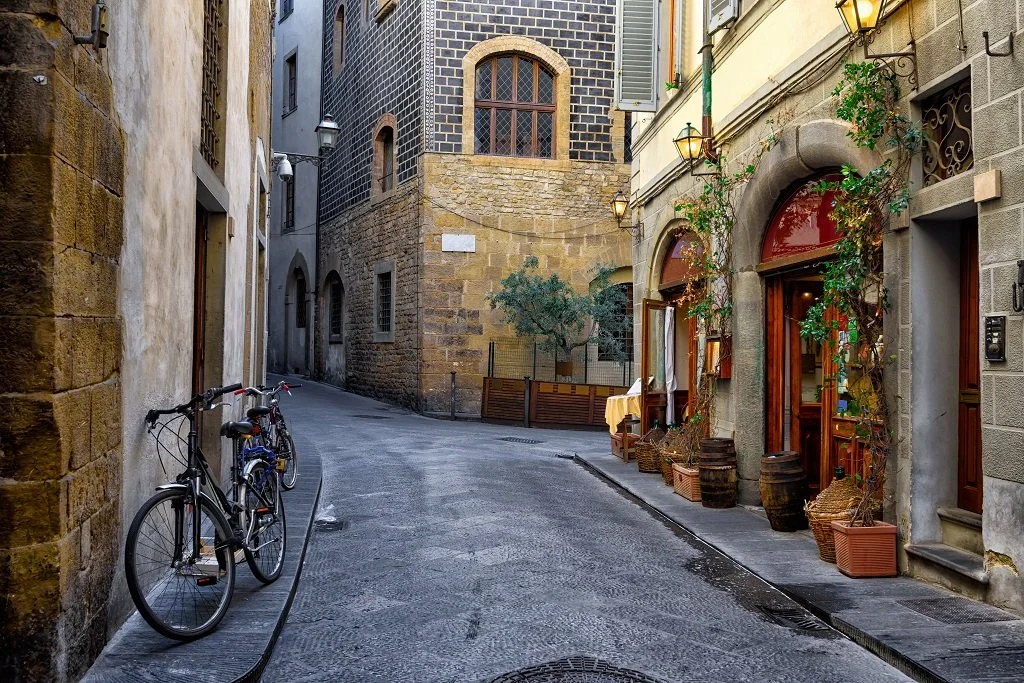
Meet the Craftspeople Behind Florence's Handmade Treasures
Along Via di Santo Spirito, Via Maggio, and the smaller streets surrounding Piazza Santo Spirito, visitors can find workshops where artisans practice techniques developed over generations.
One particularly interesting example is Castorina 1895, a historic woodcarving atelier on Via di Santo Spirito. Founded in 1895, the family business specializes in decorative woodwork, handcrafted furnishings, and traditional Florentine finishes. Its atelier also offers guided visits that provide insight into the craft.
Elsewhere in Oltrarno, visitors may discover goldsmiths, antique restorers, and specialists in traditional decorative arts.
Rather than purchasing mass-produced souvenirs, travelers can seek out distinctive handmade pieces that reflect Florence's artistic identity.
Why a Private Artisan Experience Is Worthwhile
Walking past a workshop provides only a small glimpse into the creative process. A more meaningful experience comes from meeting the craftspeople, learning about their techniques, and understanding the history behind their work.
Depending on availability, prearranged workshop visits may offer opportunities to observe an artisan at work or commission a personalized piece.
These encounters can become some of the most memorable moments of a Florence itinerary.
A knowledgeable local guide can be especially valuable when navigating the district's smaller workshops, many of which have limited opening hours or welcome visitors by appointment.
For travelers seeking authentic Florence experiences, personal connections often reveal far more than a conventional shopping excursion.
Explore Florence's Lesser-Known Churches and Renaissance Treasures
Florence's most famous churches attract enormous attention, but several smaller religious sites contain extraordinary works of art without the same constant crowds.
Exploring these places provides a more contemplative introduction to the city's Renaissance heritage.
Santa Felicita: A Hidden Masterpiece Near Ponte Vecchio
Just a short walk from the bustling Ponte Vecchio stands the Church of Santa Felicita, one of Florence's oldest churches.
Its modest exterior makes it easy to overlook, yet inside the Capponi Chapel visitors can admire Pontormo's extraordinary Deposition, also known as the Transport of Christ.
The painting's vibrant colors and expressive figures represent one of the great achievements of Florentine Mannerism.
For art enthusiasts, Santa Felicita offers an opportunity to appreciate a masterpiece in a more intimate setting than Florence's major museums.
The Brancacci Chapel: A Renaissance Treasure in San Frediano
Another exceptional cultural stop is the Brancacci Chapel, located within the complex of Santa Maria del Carmine.
Its remarkable frescoes, created by Masaccio, Masolino, and later Filippino Lippi, helped transform Renaissance painting through their innovative treatment of perspective, emotion, and the human figure.
Although internationally important, the chapel is not always included on first-time visitors' itineraries.
Advance reservations should be arranged through the official museum ticketing system, as access is controlled.
Insider tip: Visiting these smaller artistic sites with a knowledgeable guide can be particularly rewarding. Understanding the artistic rivalries, historical context, and personal stories behind the works makes Florence's Renaissance heritage feel remarkably alive.
Wander the Hidden Streets of San Frediano and San Niccolò
Some of the best places to visit in Florence are not individual attractions but the streets connecting them.
Beyond Santo Spirito, the neighborhoods of San Frediano and San Niccolò invite visitors to experience Florence without following a rigid sightseeing checklist.
San Frediano: Traditional Florence at Its Best
West of Piazza Santo Spirito, San Frediano has long been associated with artisans, neighborhood businesses, and traditional Florentine life.
Borgo San Frediano and Via dei Serragli are particularly interesting streets to explore. Here, visitors encounter independent shops, historic buildings, and smaller establishments that reflect the neighborhood's character.
The area is ideal for travelers who enjoy discovering places organically rather than moving directly between famous landmarks.
A leisurely walk through San Frediano can reveal tucked-away courtyards, understated architectural details, and welcoming cafés worth pausing for.
San Niccolò: Quiet Streets and Beautiful Views
East of the busiest part of Oltrarno, San Niccolò offers another perspective on Florence.
Its narrow lanes and historic buildings create an atmosphere distinct from the commercial streets around the Duomo.
For travelers interested in photography, the neighborhood also provides access to some beautiful viewpoints above the city.
From here, the surrounding hillside leads toward the historic Basilica of San Miniato al Monte, renowned for its Romanesque architecture and sweeping views across Florence.
The climb is worthwhile, but travelers who prefer a more comfortable excursion can arrange transportation for the uphill portion.
Where to Enjoy Authentic Florentine Cuisine Away from the Busiest Streets
Florence's culinary traditions are inseparable from its history, and exploring the city's neighborhood restaurants offers another way to connect with local culture.
While excellent restaurants exist throughout Florence, the Oltrarno area is particularly appealing for visitors seeking traditional Tuscan dishes in a more intimate setting.
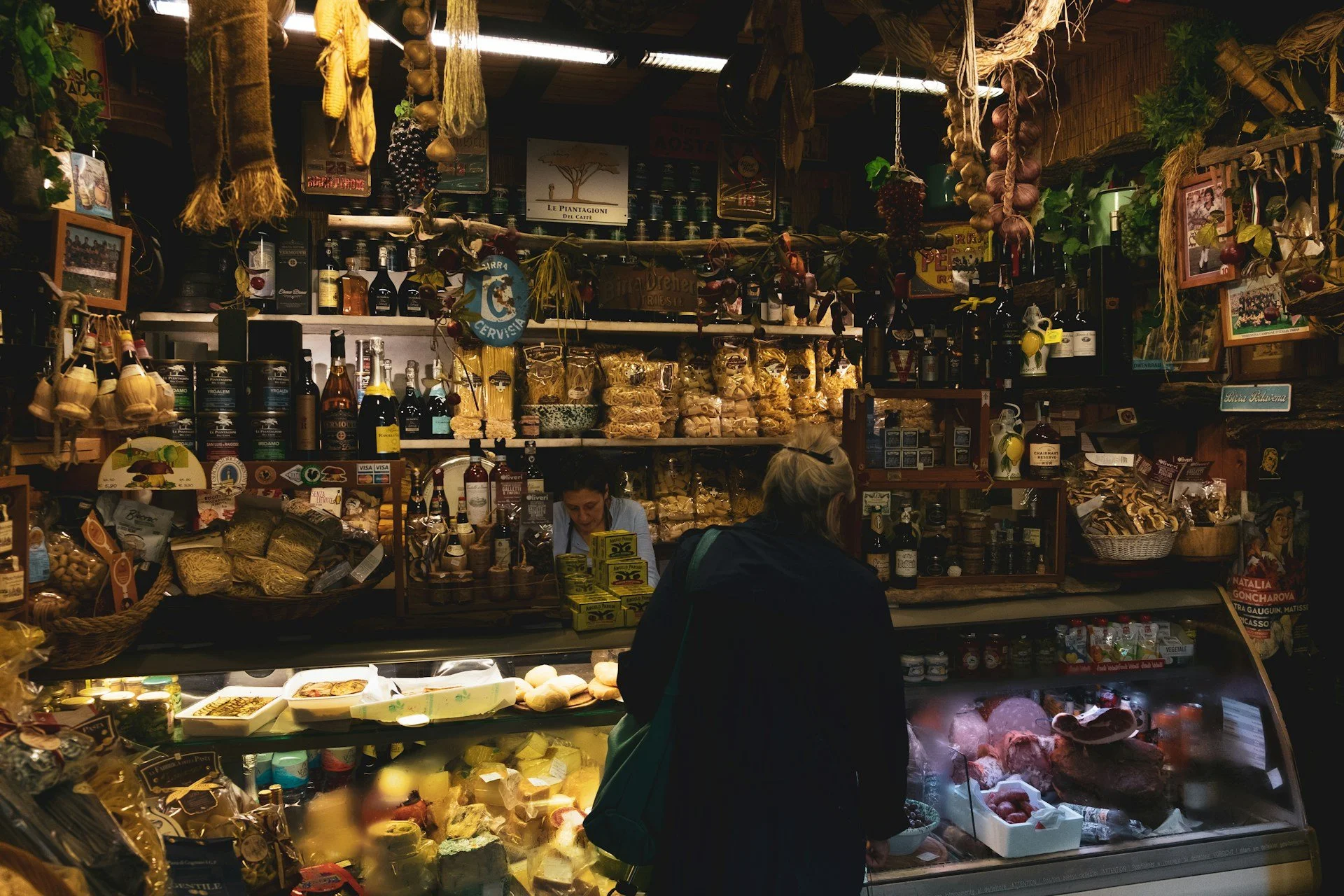
Traditional Trattorias in Oltrarno
Near Piazza Santo Spirito, Trattoria La Casalinga has served traditional Florentine cooking since 1963. Its welcoming, unpretentious atmosphere makes it an appealing choice for travelers interested in the city's culinary heritage.
For a somewhat more refined dining experience, Il Santo Bevitore, on Via di Santo Spirito, combines a lively but inviting atmosphere with thoughtfully prepared cuisine and an excellent selection of wines.
Farther west, near Porta San Frediano, Trattoria Sabatino provides another taste of traditional neighborhood dining, with a longstanding emphasis on home-style cooking.
These establishments are well-known enough to become busy, so reservations are advisable where available.
For travelers who value exceptional dining experiences, a local guide's recommendations can also help identify restaurants suited to individual preferences, seasonal menus, and the desired atmosphere.
What to Eat in Florence
A Florentine culinary experience should extend beyond the famous bistecca alla Fiorentina, although the city's traditional grilled T-bone steak remains a celebrated specialty.
Other dishes worth discovering include:
Ribollita: A hearty Tuscan soup featuring bread, beans, and seasonal vegetables, especially popular during colder months.
Pappa al pomodoro: A comforting tomato-and-bread dish prepared with olive oil and basil.
Pappardelle al cinghiale: Wide ribbons of pasta accompanied by a rich wild-boar sauce.
Lampredotto: A distinctly Florentine street-food specialty made with slow-cooked beef stomach, traditionally served in a sandwich.
Cantucci and Vin Santo: Crisp almond biscuits commonly enjoyed with Tuscany's sweet dessert wine.
Pairing these dishes with regional wines adds another dimension to the experience.
For visitors continuing into the Tuscan countryside, Florence offers an introduction to the culinary traditions they may encounter in Chianti, Montalcino, and Montepulciano.
How to Experience Florence Without the Biggest Crowds
Florence is one of Italy's most visited cities, and even its lesser-known neighborhoods can become lively during peak travel periods.
However, a thoughtfully planned itinerary can make a considerable difference.
Choose the Right Time and Explore at Your Own Pace
Early mornings are especially rewarding for exploring residential neighborhoods and photographing Florence's quieter streets.
Late spring and early autumn offer pleasant conditions for walking, although both periods can still attract substantial numbers of visitors.
Travelers with flexible schedules may find November through early spring appealing for a more relaxed atmosphere, aside from major holidays.
For those who prefer comfortable, unhurried travel, it is often better to select a few meaningful experiences rather than attempt to visit every attraction in a single day.
Consider a Private Walking Experience
A private guide can help travelers explore Florence according to their interests, whether that means Renaissance art, traditional craftsmanship, food and wine, or photography.
Local expertise is particularly useful for navigating less obvious routes, identifying worthwhile workshops, and adjusting sightseeing plans around busy periods.
Private transportation can also make it easier to incorporate scenic viewpoints and destinations beyond the most walkable neighborhoods.
Suggested half-day itinerary: Begin with coffee in Piazza Santo Spirito, visit the basilica, explore artisan workshops along Via di Santo Spirito, and continue toward San Frediano for a leisurely Tuscan lunch.
Those with additional time can visit the Brancacci Chapel or explore San Niccolò later in the afternoon.
Frequently Asked Questions About Florence's Hidden Gems
What are the best non-touristy things to do in Florence?
Some of the most rewarding alternatives to Florence's main tourist attractions include visiting artisan workshops in Oltrarno, exploring the streets of San Frediano, discovering the Church of Santa Felicita, and enjoying traditional Tuscan cuisine in neighborhood trattorias.
Is Oltrarno Florence worth visiting?
Absolutely. Oltrarno is one of Florence's most interesting districts for travelers seeking craftsmanship, local culture, independent shops, and authentic dining. Its neighborhoods offer a different perspective on Florence beyond the famous museums and monuments.
How much time should you spend exploring Oltrarno?
A half-day allows time for Santo Spirito, a few workshops, and a relaxed meal. A full day is ideal for travelers who want to include smaller churches, San Frediano, San Niccolò, and additional artistic experiences.
Can you avoid the crowds in Florence?
It is difficult to avoid crowds completely, especially during peak tourism seasons. However, visiting popular sites at carefully selected times, exploring neighborhoods beyond the main sightseeing corridors, and traveling with an experienced local guide can create a more comfortable experience.
Discover a More Personal Side of Florence with Italy Luxury Tours
Florence's famous landmarks are extraordinary, but the city's true character is often revealed through smaller, more personal experiences.
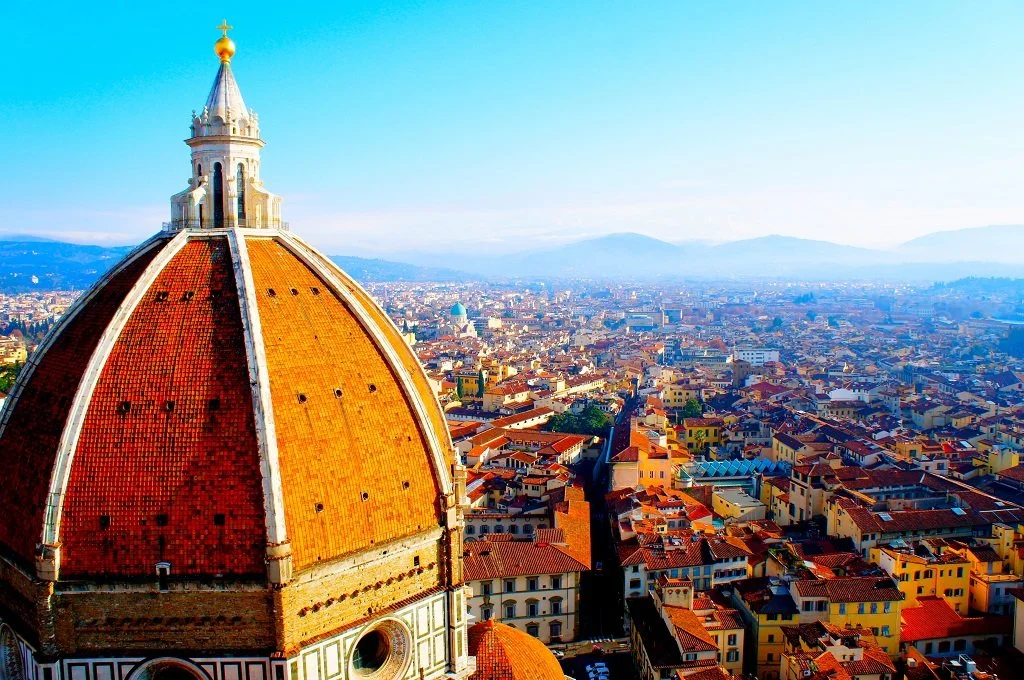
A conversation with a skilled artisan, a quiet moment inside a centuries-old church, or a leisurely lunch in a family-run trattoria can create memories just as meaningful as standing beneath the magnificent dome of Santa Maria del Fiore.
At Italy Luxury Tours, we believe exceptional travel is about more than visiting celebrated destinations. It's about experiencing their culture through knowledgeable local guides, thoughtful planning, and meaningful connections with the people who make each place special.
Our Italy Classic Private Tour introduces travelers to Florence alongside some of Italy's most iconic destinations, while our Tuscany Classic Tour offers a deeper exploration of the region's art, history, charming towns, and culinary traditions.
Both provide an excellent starting point for a personalized journey shaped around your interests and preferred pace.
Whether you're drawn to Florence's artisan heritage, hidden Renaissance treasures, or the simple pleasure of an unforgettable Tuscan meal, our team can help you discover an Italy that extends far beyond the usual tourist routes.
Explore Florence beyond the Duomo—and experience Tuscany through the eyes of those who know it best.